
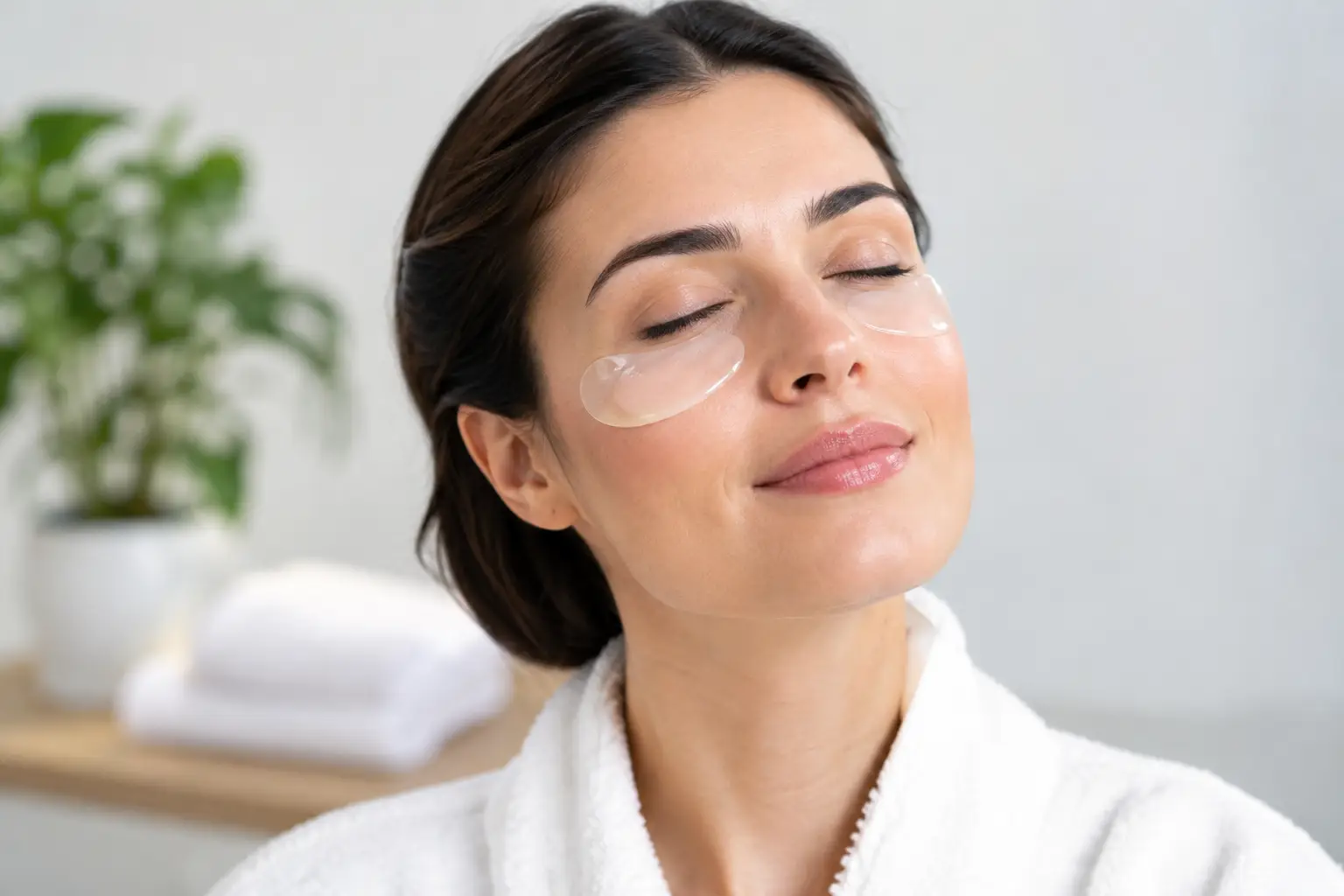
When concealer settles into fine lines, under-eye shadows remain visible after a full night of sleep, or puffiness makes you look less rested than you feel, skin care alone may not be enough. The top treatments for tired eyes address the specific reason the eye area appears fatigued, whether that is volume loss, loose skin, wrinkles, puffiness, or pigmentation.
The right approach is rarely one-size-fits-all. The under-eye area is thin, highly expressive, and anatomically complex. A treatment that improves hollowing may not correct prominent eye bags, while a skin-tightening treatment may soften crepey texture without changing dark circles caused by natural facial structure. A professional assessment helps identify what is actually creating the tired appearance before selecting a procedure.
Why the Eye Area Starts to Look Tired
Tired-looking eyes can develop at almost any age. In your 20s and 30s, genetics, allergies, screen time, dehydration, and early volume changes can make darkness or puffiness more noticeable. Over time, collagen and elastin decline, the skin becomes thinner, and the fat pads around the eyes can shift. This may create a combination of hollows, bags, fine lines, and shadowing.
Dark circles are especially misunderstood. They may be caused by pigment in the skin, visible blood vessels, under-eye hollows that create shadows, or a combination of these factors. Treating pigmentation with a brightening facial will not fully correct a deep tear trough. Likewise, adding volume where puffiness is the main concern can make the area look heavier.
The goal of treatment should be a rested, balanced appearance, not an overfilled or dramatically altered eye area.
Top Treatments for Tired Eyes by Concern
Dermal fillers for under-eye hollows and shadowing
For suitable candidates, hyaluronic acid dermal filler can restore lost volume in the tear trough, the hollow that runs from the inner corner of the eye toward the cheek. When this hollow deepens, it casts a shadow that can look like a dark circle even when the skin itself is not significantly discolored.
A carefully placed, conservative amount of filler can smooth the transition between the lower eyelid and upper cheek. The result is often a brighter, less sunken appearance. This treatment requires precision and should be performed only after assessing skin quality, fat pad prominence, facial anatomy, and existing swelling.
Under-eye filler is not appropriate for everyone. People with pronounced bags, fluid retention, very thin skin, or significant laxity may benefit more from a different plan. In some cases, treating the mid-cheek rather than injecting directly beneath the eye produces a more natural improvement in support and contour.
Neuromodulator injections for crow’s feet and squint lines
Repeated smiling, squinting, and facial movement eventually create lines at the outer corners of the eyes. BOTOX® Cosmetic and similar neuromodulator treatments relax targeted muscles that contribute to crow’s feet, helping the surrounding skin appear smoother and more refreshed.
This option works best for dynamic wrinkles, meaning lines that become more visible with expression. It does not replace lost volume or remove under-eye bags, but it can make the entire eye area look less tense and less aged. Results are temporary, and maintenance appointments are generally needed to preserve the effect.
The key is dosage and placement. An experienced injector aims to soften excessive movement while maintaining natural expression. A frozen result is not the objective.
Radiofrequency tightening for crepey skin and mild laxity
Fine, crinkled texture beneath the eyes often reflects collagen loss and skin thinning. Radiofrequency-based treatments can deliver controlled energy to support collagen remodeling and gradual skin tightening. Treatments such as Exion RF and targeted ultrasound-based skin tightening may be considered when the concern is mild laxity, early loose skin, or delicate crepey texture.
Because collagen regeneration takes time, results develop progressively rather than overnight. This is a good fit for patients who want nonsurgical improvement with little disruption to their routine, but it requires patience and may involve a series of treatments depending on the device and treatment plan.
For more advanced skin laxity or prominent lower eyelid bags, energy-based treatments have limits. They can improve skin quality and firmness, but they cannot replicate surgical removal or repositioning of substantial excess tissue.
RF microneedling for texture, fine lines, and skin quality
RF microneedling combines precise microchannels with radiofrequency energy to stimulate collagen in the skin. It can be helpful for fine lines, rough texture, enlarged pores around the upper cheek, and early signs of laxity that contribute to a tired appearance.
Exion AI RF Microneedling can be incorporated into a personalized rejuvenation plan when the goal is to improve the quality and resilience of the skin, not simply add volume. A series is often recommended, and results continue to build as collagen remodeling occurs.
The eye area demands careful treatment settings and technique. Not every device, depth, or protocol is appropriate close to the eyelids. A consultation should confirm whether the concern is best treated with microneedling, a gentler resurfacing option, or another modality.
Skin resurfacing for fine lines and uneven pigment
When dark circles are partly related to surface pigmentation, sun damage, or uneven texture, skin renewal treatments may help brighten the surrounding area. Chemical exfoliation, professional facials, and selected laser or resurfacing procedures can improve clarity and refine superficial lines when used appropriately for the patient’s skin type.
PicoSure laser technology may be an option for certain pigmentation concerns, while treatments such as Bela MD can support hydration, exfoliation, and a healthier-looking skin surface. These procedures are not a substitute for filler when shadows come from volume loss, but they can complement structural treatments by improving skin quality.
A personalized plan matters because the skin near the eyes is sensitive. Aggressive treatment can increase irritation or post-inflammatory pigmentation in some skin types. Proper preparation, sun protection, and aftercare are part of achieving an even result.
PRP and regenerative treatments for a subtle refresh
Platelet-rich plasma, often called PRP, uses components from your own blood to support skin revitalization. It is commonly considered for patients who want a subtle improvement in thin, dull, or finely lined under-eye skin without adding filler volume.
PRP does not physically fill a deep tear trough or eliminate significant bags. Its strength is gradual improvement in skin quality, texture, and luminosity. It may be used alone or paired with microneedling, depending on the concern and clinical recommendation.
Regenerative treatments, including exosome infusion therapy in appropriate settings, may also be discussed as part of a broader skin-quality strategy. Expectations should remain realistic: these treatments support renewal, but they do not replace procedures designed for structural correction.
Choosing Between Treatments for Tired Eyes
The best treatment starts with an accurate diagnosis. During a consultation, your provider should assess the under-eye area at rest and in motion, evaluate facial balance, review your medical history, and ask what looks most noticeable to you in photos and daily life.
If the primary issue is hollowing, conservative filler or cheek support may be considered. If movement-related lines are the concern, neuromodulator injections may be more effective. If the skin is thin and crepey, collagen-stimulating treatments such as radiofrequency tightening, RF microneedling, PRP, or resurfacing may be a better match. When multiple concerns are present, combination treatment often creates the most balanced result.
Lifestyle factors still matter. Allergies, poor sleep, smoking, high sodium intake, chronic rubbing of the eyes, and inconsistent sunscreen use can worsen puffiness, pigment, and skin aging. Addressing these factors supports professional treatments and helps maintain results.
When to Seek Medical Evaluation First
Cosmetic treatments are intended for stable, aesthetic concerns. New, one-sided swelling, pain, redness, sudden changes in vision, a drooping eyelid, or persistent irritation should be evaluated by a medical professional before pursuing aesthetic care. These symptoms may have causes that require medical attention.
Pregnancy, breastfeeding, certain medications, active skin infections, and a history of significant eye-area swelling can also affect which treatments are appropriate. Transparency during your consultation helps protect your safety and improves treatment planning.
A rested-looking eye area is usually created through restraint, not excess. At Genesis Medi Clinic, a personalized consultation can help separate shadows from pigment, bags from hollows, and fine lines from skin laxity, so your treatment plan is built around the correction that will make the clearest difference.