
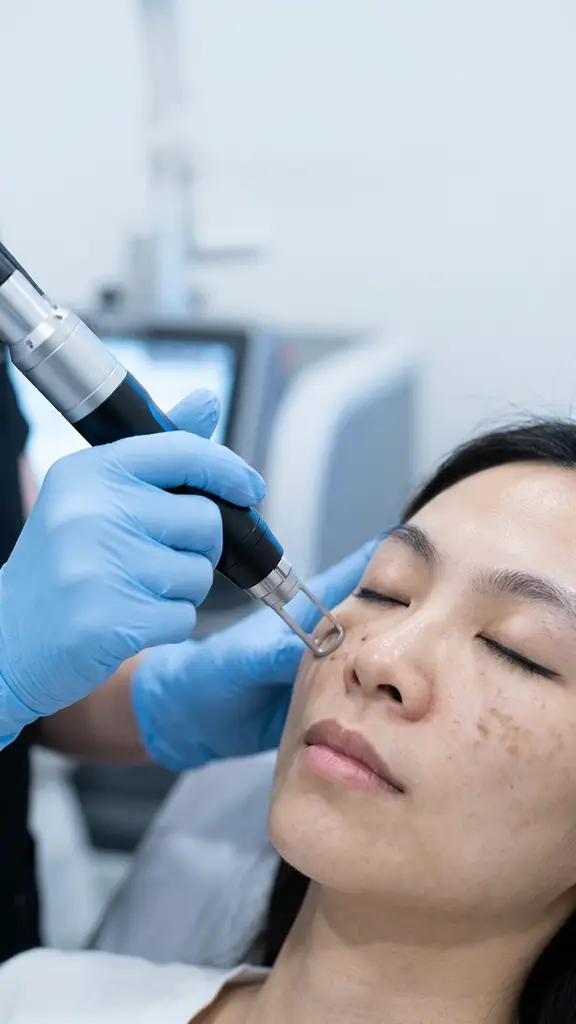
A dark spot that looks more noticeable for a few days after treatment can be unsettling, but it is often part of the normal clearing process. PicoSure pigmentation results are not judged the day after a session. They develop as targeted pigment rises toward the skin’s surface, gradually flakes away, and the skin rebuilds a more even-looking tone over the following weeks.
For patients concerned about sun spots, freckles, uneven tone, or certain types of post-inflammatory discoloration, PicoSure can be an effective non-surgical option. The right treatment plan, however, depends on what is causing the pigmentation, where it sits in the skin, and how reactive your skin may be.
How PicoSure Pigmentation Results Develop
PicoSure is a picosecond laser that delivers energy in extremely short pulses. Rather than relying only on heat, it creates a photoacoustic effect that breaks pigment into smaller particles. The body then clears those particles through its natural processes over time.
This distinction matters because pigmentation is not a single concern. A clearly defined sun spot may respond differently than diffuse brown patches, freckles, acne-related discoloration, or melasma. A proper assessment is the starting point for realistic expectations and safer treatment choices.
After a PicoSure session, treated spots may temporarily darken, sometimes resembling tiny coffee grounds. This is commonly seen with superficial pigment such as solar lentigines, often called sun spots. Over roughly one to two weeks, the darkened pigment may fade or shed naturally. Avoid picking, scrubbing, or trying to speed up this process, as irritation can increase the risk of additional discoloration.
Improvement is usually progressive rather than immediate. Some patients see clearer-looking individual spots after one session, while broader concerns often require a series of treatments. Skin tone can also continue to look more refined as the skin settles between appointments.
What a realistic timeline can look like
The first several days are often about recovery, not final results. Mild redness, warmth, or temporary darkening of pigment may occur. By the second week, superficial spots may begin to lighten. At four to six weeks, the treated area can be reassessed to determine the visible response and whether another session is appropriate.
Treatment intervals are selected to give the skin time to recover and respond. Rushing treatment is not necessarily better, especially for patients with sensitive skin or a history of post-inflammatory hyperpigmentation. A careful approach can protect the skin barrier while working toward gradual correction.
What Affects PicoSure Pigmentation Results?
The most significant factor is the diagnosis. Pigment caused by accumulated sun exposure is different from melasma, which is often influenced by hormones, heat, visible light, genetics, and sun exposure. Melasma can improve with laser-based care, but it can also recur or worsen if treatment is too aggressive or if maintenance is inconsistent. It requires a conservative, individualized strategy.
Skin type and skin tone also matter. All skin tones can develop pigmentation, but some patients are more prone to inflammation-related darkening after any procedure. This does not mean treatment is off limits. It means settings, preparation, aftercare, and treatment spacing must be selected with greater care.
The depth and age of the pigment influence response as well. Newer, superficial pigment can behave differently from long-standing discoloration that sits deeper in the skin. A patient may also have more than one type of pigmentation at the same time, which is why a single treatment is not always the complete answer.
Lifestyle and skincare choices have a direct impact on the longevity of results. Daily broad-spectrum sunscreen, shade, hats, and consistent reapplication help limit the UV exposure that can reactivate pigmentation. For melasma-prone skin, protection from visible light may also be recommended. Your provider may suggest medical-grade topical products when appropriate to support the treatment plan and maintain improvement.
The Right Candidate Is Not Always the Person With the Darkest Spots
A visible brown spot is not automatically a cosmetic pigmentation concern. Any lesion that is changing in size, shape, color, texture, or sensation should be assessed medically before cosmetic treatment. Laser treatment should only be considered once the nature of the spot is understood.
PicoSure may be considered for patients who have sun-related spots, freckles, uneven tone, and selected types of discoloration. It may not be the first recommendation for active skin irritation, uncontrolled melasma, an active infection in the treatment area, or pigmentation that is likely to flare without a broader maintenance plan.
A consultation should include discussion of your medical history, current skincare products, recent sun exposure, previous aesthetic treatments, and tendency to scar or pigment after inflammation. Retinoids, exfoliating acids, and other active products may need to be paused before or after treatment based on professional guidance. This is not a one-size-fits-all procedure, and that is a strength rather than a limitation.
How to Protect Your Result Between Sessions
Good aftercare is uncomplicated, but it is essential. Keep the skin calm while it recovers. Use a gentle cleanser, a bland moisturizer, and sunscreen as directed. Avoid heat exposure, intense workouts, hot tubs, saunas, and aggressive skincare for the period recommended by your provider.
Do not exfoliate peeling areas or use scrubs to remove darkened pigment. Let the skin complete its natural shedding cycle. If makeup is permitted after treatment, use clean applicators and choose products that do not irritate the treated area.
Long-term maintenance matters just as much as the treatment itself. Pigmentation can return when the skin is repeatedly exposed to sun, heat, inflammation, or hormonal triggers. Some patients benefit from periodic maintenance treatments, while others maintain their improvement with sun protection and a targeted home-care routine. The appropriate approach depends on the underlying concern, not simply on how many spots are visible.
When Combination Treatment Makes Sense
Pigmentation is often accompanied by other concerns, including rough texture, enlarged pores, acne scarring, fine lines, or dullness. In these cases, a provider may recommend combining or alternating treatments rather than relying on a single laser session.
The sequence is important. Treating too many concerns aggressively at once can create unnecessary inflammation, particularly in pigment-prone skin. A thoughtful plan may prioritize stabilizing pigment first, then addressing texture or collagen support at a later stage. Patients seeking correction for both discoloration and overall skin quality generally achieve more predictable outcomes when each step is planned around skin recovery.
At Genesis Medi Clinic, a PicoSure consultation is designed to identify the type of pigmentation being treated and establish a plan based on your skin, goals, and tolerance for downtime. Clear communication matters: the best result is not always the fastest result, but the one achieved without compromising skin health.
Questions to Ask Before PicoSure Treatment
Before proceeding, ask what type of pigmentation you have, how many sessions may be appropriate, what changes are expected in the first two weeks, and what signs would require you to contact the clinic. You should also ask whether your current skincare routine needs adjustment and how to protect your skin between appointments.
A provider should be comfortable explaining the trade-offs. For example, more conservative settings may mean gradual change over several sessions, but they may be preferable for reactive or melasma-prone skin. A stronger approach may be suitable for select, well-defined sun spots, but only after a professional evaluation.
Clearer skin is built through accurate diagnosis, measured treatment, and consistent protection afterward. If pigmentation has become a daily frustration, a personalized assessment can help determine whether PicoSure is the right next step for your skin.