
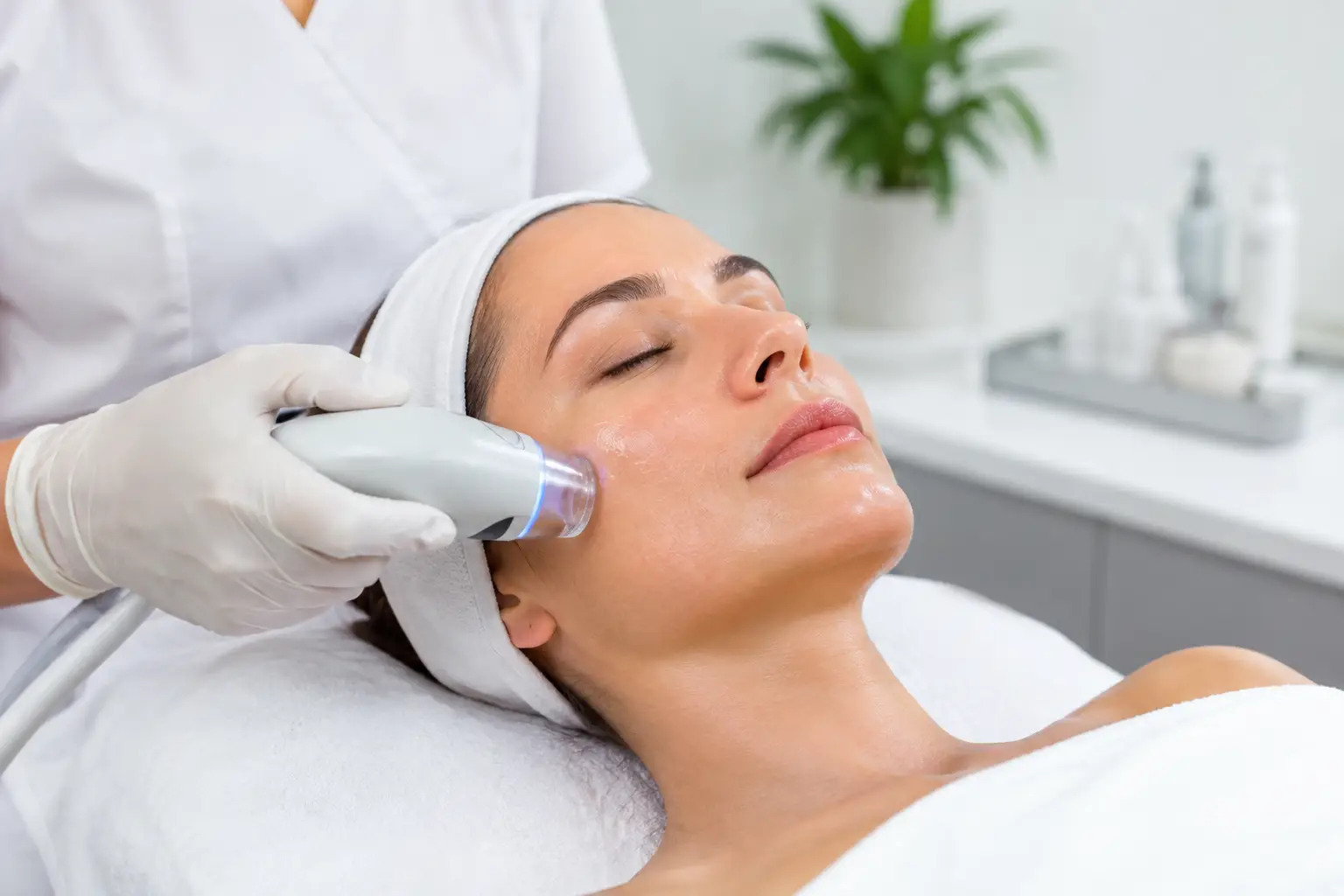
Uneven texture often shows up before deeper lines do. Makeup may settle around enlarged pores, old acne scars can remain visible in certain lighting, and skin can lose the smooth, refined quality that once made it look well-rested. For patients looking for meaningful resurfacing without surgical downtime, this guide to Exion FSR explains where the treatment fits, what it can address, and how to decide whether it is the right choice for your skin.
What Is Exion FSR?
Exion FSR is a fractional radiofrequency skin resurfacing treatment designed to improve the surface quality of the skin while supporting collagen remodeling beneath it. “Fractional” means the energy is delivered in controlled treatment zones rather than across the entire skin surface at once. This approach creates a healing response in targeted areas while leaving surrounding tissue intact.
The goal is not simply to make the skin look temporarily brighter. Exion FSR is selected when there is a structural concern with texture, pores, acne scarring, fine lines, or early laxity. Radiofrequency energy is used to stimulate the skin’s natural repair process, encouraging the production of fresh collagen and helping improve the appearance of irregularities over time.
For many patients, Exion FSR occupies a useful middle ground. It is more corrective than a superficial facial, yet it does not require the recovery associated with surgical procedures. The right plan still depends on your skin condition, treatment area, tolerance for downtime, and the degree of correction you want.
What Concerns Can Exion FSR Treat?
Exion FSR is commonly considered for facial skin that appears rough, crepey, marked by acne scars, or less firm than before. It may also be used in selected body areas where texture and skin quality are concerns. During a consultation, the provider evaluates the actual cause of the concern rather than treating every issue as “aging.”
For example, enlarged pores may be related to oil production, loss of collagen support, past breakouts, or a combination of factors. Acne scarring can range from shallow textural changes to deeper, tethered scars. Fine lines around the eyes or mouth may be primarily surface-level, while deeper folds may require another approach. Exion FSR can be a strong option for skin quality concerns, but it is not a replacement for volume restoration when volume loss is the primary issue.
The treatment may be recommended for concerns such as:
- Fine lines and early wrinkles
- Acne scars and uneven skin texture
- Enlarged pores
- Rough or dull-looking skin
- Mild skin laxity and crepey texture
- Sun-related textural changes and uneven tone
A thorough assessment matters because combination treatment is sometimes the more effective plan. A patient with acne scars, active breakouts, pigmentation, and facial volume loss may benefit from a staged approach rather than relying on one procedure to address every concern.
How Exion FSR Works
Healthy collagen gives skin much of its firmness and smoothness. With age, sun exposure, inflammation, and acne, collagen can become depleted or unevenly organized. This is one reason scars, wrinkles, and enlarged pores become more visible.
Exion FSR delivers controlled radiofrequency energy into fractional areas of the skin. That thermal energy initiates a repair response. As the skin heals, collagen remodeling can gradually improve texture, refine the look of pores, and soften the appearance of fine lines and certain scars.
Results develop progressively because collagen renewal takes time. Some patients notice an early improvement in radiance or tightness, but the more meaningful textural changes often continue to develop over several weeks. This gradual process can be appealing to patients who want their skin to look better without an abrupt or artificial change.
What Happens During an Exion FSR Appointment?
Your appointment begins with a skin assessment and discussion of your goals. Your provider should review your medical history, current skincare routine, history of cold sores if relevant to the treatment area, recent procedures, and any factors that may affect healing. This is also the time to discuss realistic results and the expected recovery period.
Before treatment, the skin is cleansed and a topical numbing cream may be applied, depending on the area and settings used. Patients generally describe the procedure as a series of brief heat sensations or mild prickling. Comfort levels vary, and settings should be selected according to the skin area, treatment objective, and individual tolerance.
After the treatment, the skin may look pink or red and feel warm, similar to a moderate sunburn. Pinpoint swelling, dryness, or a rough texture can occur as the skin moves through its normal recovery process. The exact downtime varies. Some patients are comfortable returning to routine activities quickly, while others prefer several days before social events or important photos.
It is wise to schedule resurfacing with your calendar in mind. Do not plan a first Exion FSR treatment immediately before a wedding, vacation, or major presentation. A consultation can help you time treatment appropriately.
Exion FSR Recovery and Aftercare
Aftercare is part of the result. Your provider will give instructions based on your treatment intensity and skin type, but the priority is generally to protect the skin barrier while it heals. Use gentle cleansing, avoid picking or exfoliating flaking skin, and follow the recommended post-treatment products.
Sun protection is essential. Newly treated skin is more vulnerable to irritation and unwanted pigment changes, particularly when there is unprotected sun exposure. Use broad-spectrum sunscreen consistently and limit direct sun exposure during recovery.
You may also need to pause retinoids, exfoliating acids, scrubs, and other potentially irritating active ingredients for a period recommended by your provider. Strong products can be valuable in a long-term skincare routine, but using them too soon after resurfacing can interfere with comfort and healing.
If you are prone to post-inflammatory hyperpigmentation, have a deeper skin tone, or have a history of pigmentation concerns, treatment planning requires additional care. Device settings, pre-treatment preparation, aftercare, and sun avoidance all matter. This is one reason professional assessment should come before any energy-based skin treatment.
How Many Exion FSR Treatments Will You Need?
There is no universal number because a single session for general skin refreshment is different from a corrective series for acne scars or pronounced texture. Many patients benefit from a series of treatments spaced several weeks apart, followed by maintenance based on their skin goals and response.
Mild fine lines and early texture changes may respond well to a conservative plan. More established acne scarring, visible pores, or widespread textural irregularity may require multiple sessions and, in some cases, complementary treatments. The provider should explain what can reasonably improve, what may remain, and when progress should be assessed.
Photos can be useful during a treatment plan. Skin changes gradually, and it is easy to forget the starting point when you see yourself every day. Consistent photographs taken in similar lighting provide a more objective way to evaluate improvement.
Who Is a Good Candidate for Exion FSR?
A good candidate is typically someone with realistic expectations who wants to improve skin texture, fine lines, pore appearance, or acne scarring without surgery. Patients should be prepared to follow recovery instructions and protect their skin from sun exposure.
Exion FSR may need to be postponed if there is an active skin infection, open lesions, significant irritation, or uncontrolled acne in the planned treatment area. Pregnancy, certain medications, a history of abnormal scarring, and implanted medical devices can also affect candidacy. Your provider should review these details before proceeding.
The best treatment is not always the most intensive one. For some patients, a gentler resurfacing plan is safer and more appropriate. For others, deeper correction or a combined strategy may better match the concern. The value of a consultation is in matching the technology to your skin, not forcing every skin concern into the same treatment.
Exion FSR Compared With Other Skin Treatments
Exion FSR is often chosen when texture and collagen remodeling are central goals. Injectable treatments can soften expression lines or restore volume, but they do not directly resurface scarred or rough skin. Skin tightening treatments may support laxity, yet may not target surface texture to the same degree. Professional skincare can improve hydration, tone, and maintenance, but deeper scars and established textural changes often require an energy-based procedure.
At Genesis Medi Clinic, treatment planning is based on the concern visible in your skin and the correction you want to achieve. When Exion FSR is appropriate, it can be part of a focused plan for smoother texture, more refined pores, and healthier-looking skin quality.
The next useful step is not to choose treatment from a menu. It is to have your skin assessed, discuss the level of change you want, and create a plan that gives your skin adequate time to respond and renew.