
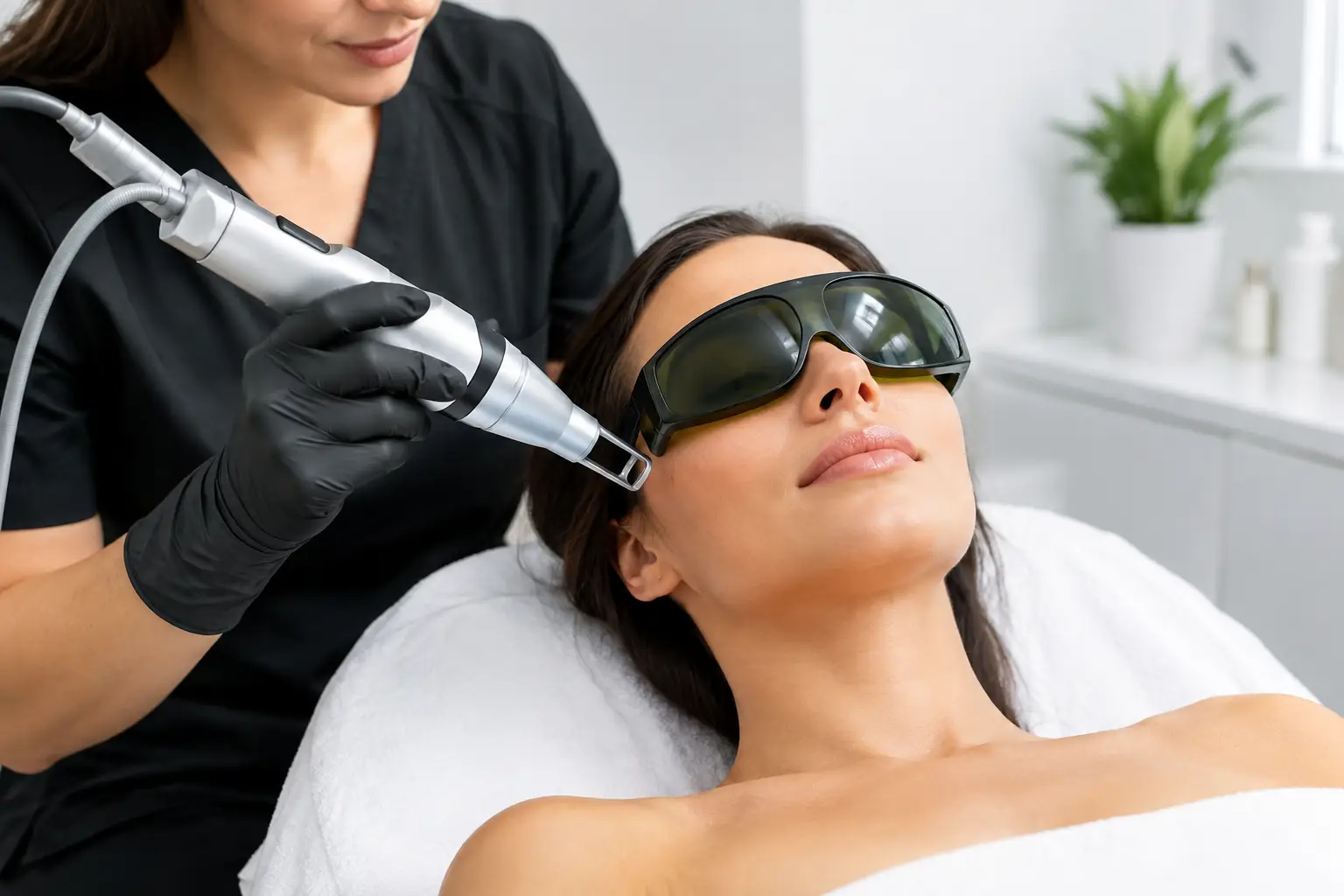
Pigmentation that lingers after acne, a tattoo that no longer fits, or skin texture that makeup cannot fully smooth can feel frustratingly resistant to at-home products. This guide to PicoSure laser treatment explains how this advanced picosecond technology works, what concerns it can address, and how to plan treatment around your skin, goals, and schedule.
PicoSure is not a one-size-fits-all procedure. The right settings, handpiece, number of sessions, and aftercare depend on whether the goal is pigment correction, acne scar improvement, tattoo removal, or overall skin revitalization. A professional consultation is the starting point for safe, visible, and realistic results.
What Is PicoSure Laser Treatment?
PicoSure is a picosecond laser system. It delivers laser energy in extremely short pulses, measured in trillionths of a second. Rather than relying only on heat, these quick pulses create a pressure effect that breaks targeted pigment into very small particles. The body then gradually clears those particles through its natural processes.
That delivery method matters because it allows precise treatment of pigment while limiting unnecessary heat exposure to surrounding tissue. PicoSure can be used for concerns such as sun spots, age spots, freckles, uneven skin tone, certain types of post-inflammatory hyperpigmentation, acne scarring, and unwanted tattoos.
For texture and acne scars, a specialized fractional lens may be used. Instead of treating every part of the skin surface, it creates microscopic treatment zones that stimulate collagen and elastin remodeling. Over time, this can help improve the appearance of shallow acne scars, enlarged pores, fine lines, and uneven texture.
Results vary by concern. Clearing tattoo ink is a different process from improving acne scars, and treating brown spots is different from managing pigment that is driven by hormones or active inflammation. This is why a proper skin assessment is more useful than selecting a treatment based on a single before-and-after image.
A Guide to PicoSure Laser Treatment by Concern
Pigmentation and uneven skin tone
PicoSure can target visible clusters of excess pigment, including sun-related spots and freckles. Many patients appreciate that treatment sessions are relatively efficient, but the skin still needs time to respond. Pigment may temporarily look darker before it flakes away or fades, which is often part of the normal healing process.
Not every dark patch should be treated the same way. Melasma, for example, can be triggered by sunlight, heat, hormones, and irritation. Laser treatment may be appropriate in a carefully selected plan, but aggressive treatment can sometimes worsen pigment in reactive skin. A provider should identify the likely cause before recommending a laser setting or series.
Acne scars, pores, and rough texture
PicoSure fractional treatment is often considered for mild to moderate textural concerns, particularly shallow rolling scars, enlarged pores, and a dull or rough skin surface. It works by encouraging collagen renewal below the surface rather than removing a broad layer of skin.
This approach can be appealing for patients who want meaningful skin renewal with less downtime than more aggressive resurfacing procedures. Still, deeper boxcar scars or tethered scars may need another treatment approach, such as microneedling, radiofrequency microneedling, subcision, or a combination plan. The best answer depends on scar type, skin tone, and the degree of correction you want.
Tattoo removal
PicoSure is widely used for tattoo removal because picosecond pulses can fragment ink particles effectively. Black and dark blue inks often respond well, while green, blue, red, yellow, and multicolored tattoos may require different wavelengths or a more extended treatment plan.
Tattoo removal takes patience. Ink depth, ink color, tattoo age, placement on the body, immune response, and whether the tattoo was professionally applied all affect the pace of fading. Treatments are spaced apart to give the body time to clear fragmented ink. Complete removal cannot be guaranteed, and some tattoos may retain a faint shadow or require multiple sessions beyond the initial estimate.
What Happens During a PicoSure Appointment?
Your appointment begins with a review of the treatment area, skin history, medical history, current products, and previous procedures. Photos may be taken to track changes accurately over a series of treatments. Your provider should also discuss expected improvement, possible side effects, and whether another procedure would better suit your concern.
The skin is cleansed, and protective eyewear is worn throughout the procedure. Depending on the treatment area and settings, you may feel a quick snapping sensation, often compared with a small elastic band against the skin. Topical numbing may be used for more sensitive areas or larger tattoo treatments.
A PicoSure session can be brief, although the exact time depends on the size and complexity of the area being treated. Afterward, the skin may feel warm and look pink or mildly swollen. For pigment, temporary darkening is possible. For tattoo treatment, whitening, pinpoint bleeding, swelling, or blistering can occur and should be managed according to your provider’s aftercare instructions.
Recovery and Aftercare: Protect the Result
Most PicoSure treatments involve limited social downtime, but limited downtime does not mean no aftercare. Healing skin is more vulnerable to irritation and sun exposure, and good aftercare helps reduce the risk of prolonged redness or unwanted pigment changes.
For the first day or two, use gentle skincare and avoid scrubs, exfoliating acids, retinoids, and fragranced products on the area unless your provider advises otherwise. Do not pick, scratch, or exfoliate flaking skin. If a tattoo area blisters or forms a crust, keep it clean, protect it from friction, and follow the clinic’s specific instructions.
Daily broad-spectrum sunscreen is essential after pigment and texture treatments. UV exposure can interfere with results and may increase the risk of new discoloration. It is also wise to avoid tanning before and throughout a treatment series. For some patients, especially those prone to hyperpigmentation, pretreatment skincare and a more conservative schedule may be recommended.
How Many PicoSure Treatments Will You Need?
There is no universal number. A small, superficial sun spot may respond quickly, while broader uneven pigmentation may require a series and ongoing maintenance. Acne scar improvement is gradual because collagen remodeling takes time, with treatments commonly spaced several weeks apart.
Tattoo removal generally requires the greatest commitment. The number of sessions can range significantly based on the ink and tattoo characteristics. Spacing sessions appropriately is not simply a scheduling preference. It gives the skin time to recover and allows the immune system to clear disrupted ink particles.
A qualified provider should give you a personalized range rather than promise a fixed outcome. Be cautious of claims that all pigment, scars, or tattoos can be fully corrected in one visit. A measured treatment plan is usually safer and more credible.
Who Should Delay or Avoid Treatment?
PicoSure may not be appropriate if you have an active skin infection, open wound, active inflammatory acne in the treatment area, a recent tan, or a history that raises your risk of abnormal scarring. Pregnancy, certain medications, photosensitivity, and a history of cold sores may also affect treatment timing or preparation.
Skin tone deserves careful consideration. Patients with melanin-rich or reactive skin can be excellent candidates, but treatment settings and pre- and post-care must be selected conservatively to reduce the risk of post-inflammatory pigment changes. This is a clinical decision, not a reason to assume that one laser protocol fits everyone.
Be open about recent injectables, chemical peels, skin resurfacing, prescription skincare, and any history of keloids or pigment changes after injury. These details help your provider choose an appropriate plan and timing.
Choosing a Treatment Plan That Makes Sense
The most successful PicoSure plans begin with a clear diagnosis of the concern, not just a request for a particular device. A brown mark could be sun damage, post-acne discoloration, melasma, or a lesion that needs medical evaluation. An acne scar may be superficial texture loss or a deeper structural scar. The distinction determines whether PicoSure is the right first step, part of a combination strategy, or not indicated at all.
At Genesis Medi Clinic, a consultation can help match the treatment to the concern, your skin type, and the level of downtime you can accommodate. Bring photos of how the concern has changed, a list of current skincare products, and realistic questions about sessions, cost, and maintenance.
The goal is not to chase a single treatment because it is well known. It is to choose a plan that gives your skin the right level of correction, with careful settings, consistent sun protection, and enough time for results to develop.