
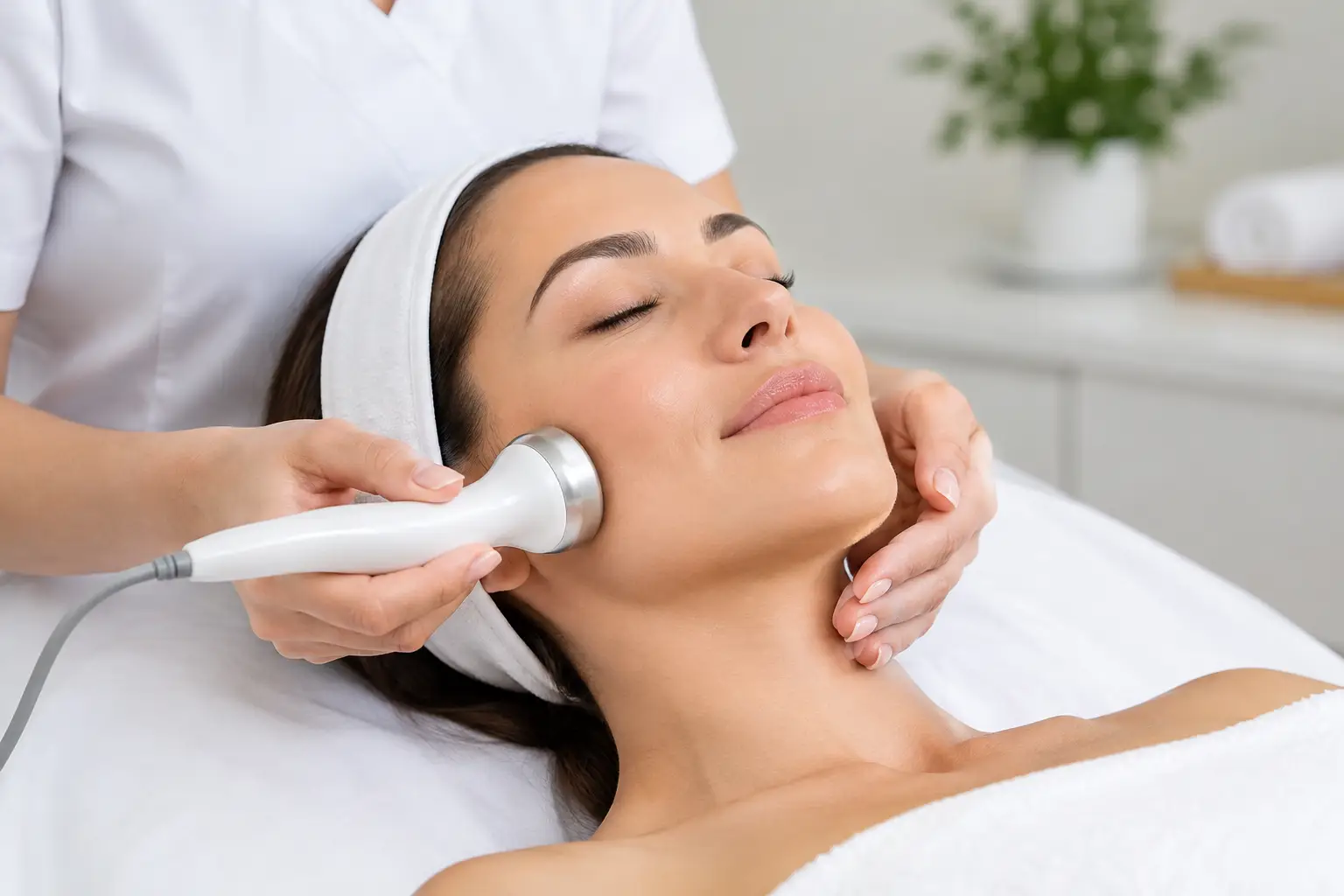
A softer jawline, crepey skin around the eyes, loose neck skin, or changes in the abdomen after weight fluctuations can make your reflection feel out of step with how you feel. Skin tightening is designed to address these concerns without surgical incisions or a lengthy recovery period. The right approach depends on where laxity appears, how much collagen support remains in the skin, and whether you need subtle prevention or visible structural improvement.
Non-surgical treatments do not replace a facelift or body lift when there is significant excess skin. They can, however, be an effective option for mild to moderate laxity, early jowling, reduced facial definition, fine creasing, and areas that have begun to look less firm over time. A professional assessment helps identify the treatment that matches the concern rather than simply selecting the newest device.
What Causes Skin to Lose Firmness?
Collagen and elastin give skin much of its structure, bounce, and resilience. Beginning in adulthood, the body gradually produces less of both. Sun exposure, smoking, stress, repeated facial movement, pregnancy, weight changes, and genetics can accelerate the visible effects.
Laxity is not always caused by skin alone. Facial volume loss can create shadowing around the cheeks and temples, making the lower face appear heavier. Fat beneath the chin can blur the jawline. Fine lines, enlarged pores, and rough texture can make otherwise firm skin look less smooth. This is why an effective plan may involve more than one corrective treatment.
How Non-Surgical Skin Tightening Works
Most professional skin tightening treatments use controlled energy to heat targeted layers of tissue. That heat stimulates a wound-healing response, encouraging fibroblasts to produce new collagen and, in some cases, elastin. As collagen remodels, the skin can gradually appear firmer, smoother, and more supported.
Results are generally progressive. Some technologies create an initial tightening effect, but collagen remodeling continues for weeks or months after treatment. The pace varies by device, treatment area, age, baseline skin quality, and individual collagen response.
The goal is controlled correction, not over-treatment. Excessive energy or an inappropriate device selection can increase discomfort without producing a better outcome. Treatment settings should be selected based on skin type, tissue thickness, degree of laxity, and the area being treated.
Ultrasound-Based Treatments
Targeted ultrasound delivers energy at specific depths below the skin surface. This makes it useful when the concern is deeper support, especially around the brow, cheeks, jawline, under-chin area, and neck. Exion Targeted Ultrasound Skin Tightening is one option that may be considered when a patient needs focused treatment in areas where early laxity is visible.
Ultrasound can be a practical choice for patients who want gradual improvement with minimal interruption to their routine. Depending on the treatment plan, temporary tenderness or mild swelling may occur. Results develop over time as collagen remodels.
Radiofrequency Treatments
Radiofrequency uses heat to address dermal collagen and can be used on the face, neck, and body. Thermage CPT is commonly selected for a single-session approach to firmer-looking skin and improved contour in appropriate candidates. Exion RF can also be incorporated into customized plans for laxity and overall skin quality.
Radiofrequency microneedling adds another dimension. Exion AI RF MicroNeedling combines controlled microneedling with radiofrequency energy to address texture, fine lines, acne scarring, enlarged pores, and mild laxity. It may be particularly useful when the skin needs both surface refinement and collagen stimulation below the surface.
Advanced Facial Stimulation
Some concerns are related to both skin laxity and declining muscle support. Emface is designed to address facial muscle stimulation alongside skin-focused energy, which may help improve the appearance of facial definition in suitable patients. It is not a replacement for volume restoration where volume loss is the primary issue, but it can be part of a strategic plan for patients seeking a more lifted appearance without needles or surgery.
Sofwave is another technology that may be considered for lifting and tightening concerns. Treatment selection should always be based on the actual condition of the skin and underlying tissue, not on a one-size-fits-all protocol.
Choosing the Right Treatment Area
The best skin tightening plan begins with a clear description of what you see. “My face looks tired” may point to several different concerns, while “my neck skin has become loose” is more specific but still requires an assessment of skin thickness, fat distribution, and tissue support.
For the face, common priorities include soft jowls, reduced cheek support, fine lines around the mouth, and loss of jawline definition. Neck treatment may focus on crepiness, horizontal lines, or mild looseness under the chin. Body treatments are often requested for the abdomen, arms, thighs, knees, and areas affected by weight changes.
A patient with early jowling but good skin quality may benefit from a different approach than someone with pronounced volume loss and textural changes. Similarly, body skin after a major weight loss may require a different conversation than mild abdominal laxity after pregnancy. Clear expectations are essential: non-surgical treatments can improve tissue quality and firmness, but they cannot remove substantial excess skin.
What to Expect During and After Treatment
A consultation should cover your medical history, current skincare routine, previous aesthetic procedures, skin sensitivity, and goals. Photos may be used to document the baseline and assess changes over time. This helps create a plan based on measurable concerns rather than guesswork.
Treatment time varies by technology and area. Many appointments can be completed within an hour, although larger body areas or combination plans may take longer. Sensation can range from warmth and pressure to brief, deeper pulses of heat. Your provider should explain what to expect before starting and adjust the plan appropriately.
Downtime is often limited, but it is not identical for every procedure. Some patients experience temporary redness, swelling, tenderness, or small areas of sensitivity. Treatments involving microneedling may produce more visible short-term redness than surface-free energy treatments. Follow your post-treatment instructions carefully, including sun protection and guidance on skincare products, exercise, and makeup.
When Will You See Results?
Immediate changes can occur with certain treatments because of temporary tissue contraction or mild swelling. The more meaningful improvement usually comes later, as collagen reorganizes and new collagen develops. Many patients begin noticing changes within several weeks, with continued improvement over two to six months depending on the technology and area treated.
Some treatments are designed as a single annual or periodic session, while others work best as a series. Maintenance may be recommended because collagen production continues to change with age, sun exposure, and lifestyle. A realistic plan focuses on preserving progress, not chasing a one-time permanent result.
Combining Treatments for Better Correction
Skin tightening often works best when it is part of a broader correction plan. If volume loss is creating hollows or deep folds, dermal filler may be considered to restore support. If dynamic lines from facial movement are the concern, BOTOX Cosmetic may help soften their appearance. For uneven texture, pigmentation, or acne scarring, resurfacing or microneedling may be more relevant than tightening alone.
Combination treatment is not automatically better. Each addition should solve a specific problem. The most effective plans are precise: treat laxity when laxity is present, restore volume when volume is missing, and improve texture when surface quality is limiting the result.
Is Skin Tightening Right for You?
Good candidates are generally adults with mild to moderate laxity who want gradual, natural-looking improvement without surgery. Candidates should also be prepared to follow aftercare instructions and allow time for collagen remodeling. Those with significant sagging, extensive excess skin, certain medical conditions, active skin infections, or unrealistic expectations may need a different approach.
At Genesis Medi Clinic, a consultation can help distinguish between loose skin, volume loss, excess fat, and textural concerns so treatment is selected with purpose. The most helpful next step is not choosing a device from a menu. It is having your skin assessed carefully, then building a plan that respects your anatomy, goals, and timeline.