
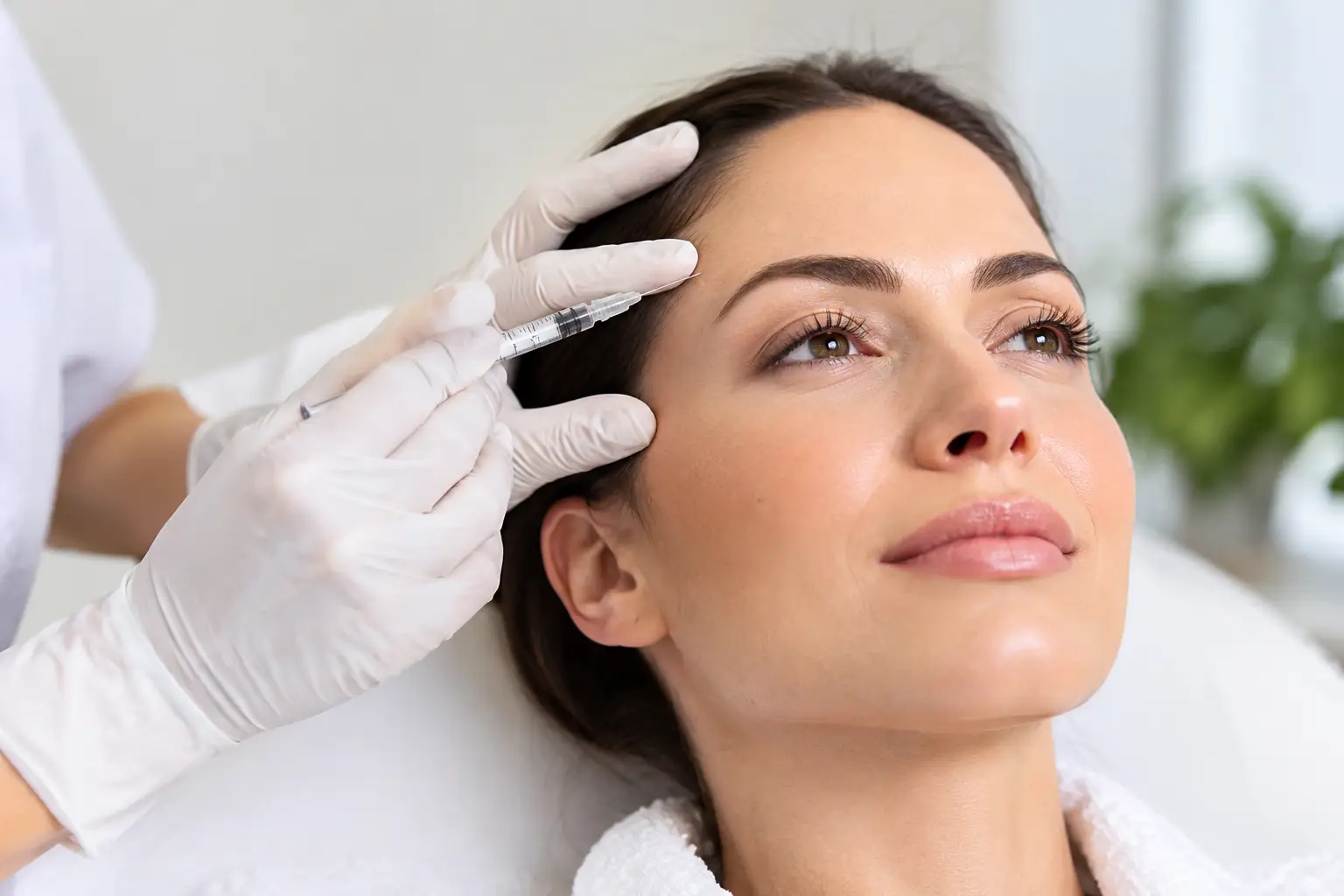
A forehead line that appears only when you raise your brows is not the same as a crease that remains visible when your face is at rest. That distinction is at the center of the question, does Botox prevent wrinkles? In many cases, BOTOX® Cosmetic can help delay the deepening of expression-related lines by reducing the repeated muscle movement that folds the skin. It is not a permanent shield against aging, and it cannot address every type of wrinkle, but it can be a highly effective part of a well-planned skin maintenance routine.
How Botox can prevent wrinkles from deepening
BOTOX® Cosmetic is a neuromodulator injection. When precisely placed in selected facial muscles, it temporarily reduces muscle activity. The treated muscle relaxes, so the skin above it is not repeatedly creased with the same intensity during expressions such as frowning, squinting, or raising the eyebrows.
This matters because many common facial lines begin as dynamic wrinkles. These are lines that show up with movement, including forehead lines, the vertical lines between the eyebrows, and crow’s feet at the outer corners of the eyes. Over years of repeated folding, changes in collagen and elastin, sun exposure, and natural loss of skin resilience can cause those lines to become visible even when the face is relaxed. These are often called static lines.
By softening the movement that creates dynamic lines, Botox may reduce the mechanical stress that contributes to their progression. For someone who has strong frown movements but little to no resting line, treatment may help keep the area smoother over time. For someone with established, etched-in lines, Botox can still soften the movement that makes them more pronounced, although it may not erase the existing crease on its own.
Preventive Botox is not about starting at a certain age
There is no universal age when a person should begin Botox. Preventive treatment is based on facial movement, skin quality, genetic tendencies, sun exposure history, and the individual concern being treated, not on a birthday.
Some patients in their late 20s or early 30s notice strong expression lines that linger after their face relaxes. Others have minimal lines well into their 40s because their facial movement is softer, their skin has retained more elasticity, or they have had different environmental exposure. Starting injections simply because of age is not a personalized plan.
A qualified assessment looks at how your face moves at rest and in expression. The goal is not to remove all natural movement. It is to identify muscles that are creating unwanted repetitive creasing and use an appropriate dose and placement for a refreshed, natural-looking result.
What Botox treats best
Botox is most effective for wrinkles caused primarily by muscle movement. The forehead, glabella area between the brows, and crow’s feet are common treatment areas. Depending on anatomy and treatment goals, it may also be considered for concerns such as chin dimpling, downturned mouth corners, neck banding, or a gummy smile.
The treatment is less effective as a stand-alone solution for wrinkles driven mainly by volume loss, thinning skin, sun damage, texture changes, or skin laxity. Fine lines around the mouth, crepey under-eye skin, and deeper folds may require a different or combined approach. This is why a consultation should begin with the cause of the concern, not just the line you see in the mirror.
What Botox cannot prevent
Botox does not stop the skin’s natural aging process. Collagen production changes over time, facial volume shifts, and factors such as ultraviolet exposure, smoking, sleep habits, stress, and genetics all affect how skin ages. It also does not replace sunscreen, a consistent skincare routine, or treatments designed to improve skin texture and firmness.
It cannot lift significantly loose skin or restore lost cheek volume. If a line is deeply set at rest, relaxing the related muscle can prevent it from being continually reinforced, but further improvement may call for a customized plan. Depending on the concern, this could include skin tightening, microneedling, resurfacing, or dermal fillers. Combining treatments should be intentional, not automatic. The right option depends on the skin, facial structure, downtime preferences, and desired result.
There is also a practical trade-off: a higher dose may reduce more movement, but more is not always better. Over-treatment can make the forehead look heavy, alter brow position, or create an overly frozen appearance. Skilled dosing is about balance. You should still look like yourself, including when you smile or react.
When to consider a preventive Botox consultation
You may be a good candidate for an evaluation if expression lines bother you, if they are beginning to remain visible at rest, or if you have noticed them becoming more pronounced in photos. A consultation can also be useful if family members tend to develop deep forehead or frown lines early and you want an informed plan before lines become more established.
During the appointment, the injector should assess your facial anatomy, brow position, muscle strength, and symmetry. They should also ask about your medical history, current medications, previous injectable treatments, allergies, and aesthetic preferences. A conservative first treatment is often sensible for patients who are new to injectables. It gives the provider an opportunity to see how your muscles respond and refine future dosing if needed.
BOTOX® Cosmetic is not appropriate for everyone. Pregnancy and breastfeeding are commonly reasons to postpone treatment, and certain neurological conditions, infections at the injection site, or medication considerations may affect eligibility. A medical professional should review these factors before treatment.
What results and maintenance look like
Most patients begin to see a change within several days, with results typically developing over about two weeks. The effect is temporary. Many people schedule maintenance appointments approximately every three to four months, though the interval varies based on metabolism, muscle strength, dose, and treatment area.
Regular treatment does not mean you are required to continue indefinitely. If you stop, your treated muscles gradually regain their usual activity, and expression lines will return according to your natural pattern. You will not suddenly age faster because you discontinue Botox. However, you may notice the return of movement more clearly after becoming accustomed to a smoother appearance.
For prevention, consistency can be helpful, but it should remain flexible. Some patients prefer a lighter result with more expression and fewer appointments. Others want more noticeable softening of high-motion areas. Neither approach is universally right. The most successful treatment plan reflects your face, your goals, and how much movement you want to retain.
Support Botox with skin-focused habits
If preventing visible aging is the goal, Botox works best as one component of a broader approach. Daily broad-spectrum sunscreen helps protect collagen from UV damage, while a skincare routine selected for your skin type can support hydration, texture, and tone. These steps address parts of skin aging that Botox does not.
Professional skin treatments may be considered when fine lines are connected to texture changes, acne scarring, pigmentation, or laxity rather than muscle movement alone. At Genesis Medi Clinic, a personalized consultation can distinguish these concerns and identify whether BOTOX® Cosmetic, a skin-focused treatment, or a combination approach is most appropriate.
The useful question is not whether Botox can stop every wrinkle. It is whether repeated facial movement is contributing to the specific lines you want to address. When treatment is carefully assessed and conservatively performed, Botox can help you maintain a smoother, natural-looking appearance while your skin care plan supports the rest of your skin’s needs.