
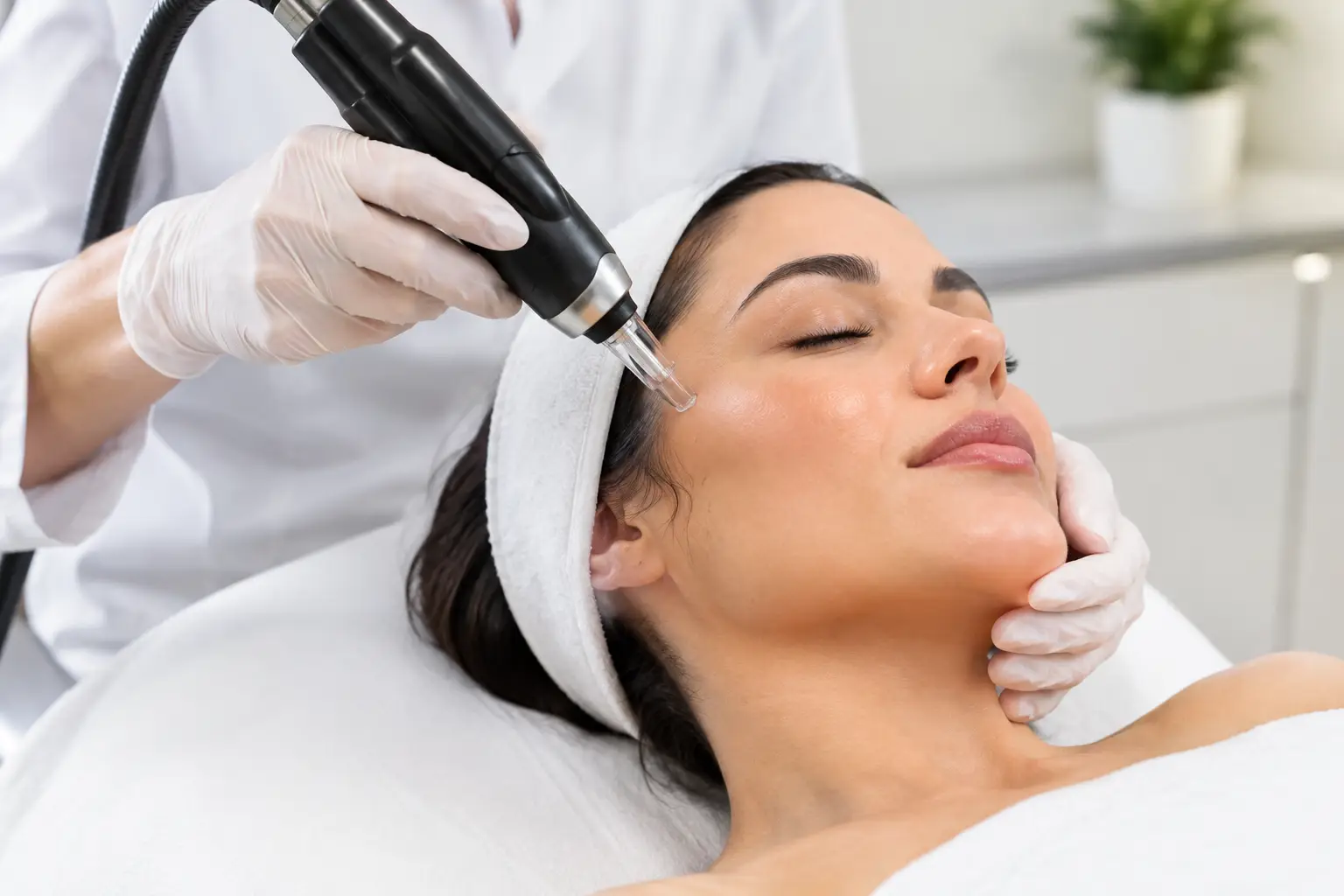
A useful PicoSure Toronto review should go beyond before-and-after photos. The real question is whether a picosecond laser is the right match for your concern, skin type, timeline, and tolerance for a series of treatments. PicoSure is a recognized laser platform used for concerns such as unwanted tattoo pigment, uneven pigmentation, acne scarring, visible pores, and skin texture. It can be a strong option when the treatment plan is selected carefully and the provider sets realistic expectations from the beginning.
For patients in Toronto and the surrounding area, the appeal is clear: a non-surgical treatment that can target pigment and stimulate skin renewal with limited downtime. Still, “limited downtime” does not mean every patient will have the same experience or need the same number of sessions. Results depend on what is being treated, the depth of the concern, the settings used, and how consistently you protect your skin between appointments.
PicoSure Toronto Review: What the Treatment Is Designed to Do
PicoSure is a picosecond laser, meaning it delivers energy in extremely short pulses. Rather than relying only on heat, the laser creates a rapid pressure effect that can break pigment into smaller particles and trigger a skin remodeling response. The body then gradually clears targeted pigment, while collagen-supporting processes can improve the appearance of certain textural concerns over time.
This distinction matters because skin concerns are not all the same. Brown spots caused by sun exposure, post-inflammatory discoloration after acne, tattoo ink, and depressed acne scars each respond differently. A treatment that is excellent for one issue may not be the best standalone solution for another.
At Genesis Medi Clinic, a PicoSure consultation should begin with identifying the actual concern rather than simply treating a label such as “dark spots” or “scars.” Pigmentation can have different causes, and acne scars may involve texture, redness, volume loss, or tethering beneath the skin. A personalized assessment helps determine whether PicoSure is appropriate on its own or whether another treatment, such as RF microneedling, injectables, or a combined plan, may better support the desired correction.
Pigmentation and uneven tone
PicoSure is frequently considered for sun spots, freckles, and some forms of uneven tone. Patients often choose it because treatment is targeted and the recovery can be manageable. However, pigment is not always simple. Melasma, for example, can be persistent and may become more visible with excess heat, sun exposure, hormonal changes, or unsuitable treatment settings.
This is where a careful provider matters. A person with isolated sun spots may have a very different plan from someone with diffuse pigmentation across the cheeks or forehead. For certain patients, conservative settings and a gradual approach are preferable to aggressive treatment. Sun protection and a thoughtful skincare routine are part of the plan, not an optional extra.
Acne scars, pores, and texture
For acne scarring and rough texture, PicoSure may be used with a specialized focus lens that creates controlled micro-injury beneath the skin’s surface. This supports collagen remodeling without creating an open wound across the treatment area. Over a series of sessions, some patients see smoother-looking skin, softer scar edges, and refinement in the appearance of pores.
The trade-off is that remodeling takes time. Immediate glow may occur, but meaningful texture changes develop gradually as the skin responds. Deep rolling scars, boxcar scars, and ice-pick scars can also require different strategies. No responsible PicoSure review should suggest that one laser session removes every type of acne scar.
Tattoo removal
PicoSure can also be used for tattoo removal because picosecond energy helps fragment tattoo ink. The number of treatments varies significantly based on ink color, density, tattoo age, placement, professional versus amateur application, and the body’s own clearance response. Black and dark blue inks often respond differently than colors such as green, yellow, or red.
Tattoo removal is a process, not a single appointment. Treatments are spaced apart to allow the skin to heal and the immune system to clear disrupted ink particles. Patients should expect gradual fading and should avoid promises of complete removal by a fixed date.
What a PicoSure Appointment Feels Like
A typical appointment starts with cleansing the treatment area and reviewing the plan. Protective eyewear is required. Depending on the concern and the settings, a numbing cream may be used before treatment, especially for larger areas or scar-focused sessions.
Many patients describe the laser sensation as quick snaps against the skin, similar to the flick of a small elastic band. Comfort is subjective. Areas with thinner skin or more nerve endings can feel more sensitive, while tattoo treatment may feel more intense than a facial pigmentation session. Cooling measures can improve comfort during and after the procedure.
A treatment itself may be relatively short, but the appointment should not feel rushed. Settings should be selected according to the treatment goal, skin response, and relevant medical history. This is especially important for patients prone to post-inflammatory hyperpigmentation, those with a history of cold sores around the mouth, or anyone using active skincare products that may increase sensitivity.
Downtime, Healing, and Aftercare
Redness and mild warmth are common immediately after PicoSure treatment. For pigment-focused treatments, targeted spots may temporarily darken before flaking or fading. This can be expected, but it requires patience. Picking, scrubbing, or trying to accelerate the process can increase irritation and affect healing.
For texture or scar-focused sessions, the skin may look pink or feel tight for a short period. Some patients have mild swelling, particularly in sensitive facial areas. Makeup timing, exercise, heat exposure, and active skincare ingredients should be discussed with your provider based on the settings used and your skin’s response.
Aftercare is generally straightforward: keep the area clean, use gentle products, avoid exfoliation until the skin has settled, and apply broad-spectrum sunscreen consistently. UV exposure can undermine pigment treatment and raise the chance of new discoloration. If you are treating a tattoo, follow the specific wound-care guidance provided for that area.
How Many Sessions Will You Need?
A single session can be appropriate for a small, clearly defined pigment spot, but many PicoSure goals require a series. Texture improvement and acne scar remodeling commonly need multiple treatments spaced several weeks apart. Tattoo removal can require more sessions over a longer timeline.
The honest answer is that treatment count depends on the concern. A consultation should clarify the starting condition, the anticipated pace of improvement, and the point at which the plan should be reassessed. Photos taken in consistent lighting can be helpful because gradual changes are not always obvious when you see your skin every day.
Be cautious of treatment plans that promise a universal number of sessions without examining the skin. The right number is not the smallest possible number. It is the number that balances progress, safety, healing, and your specific objective.
Who Should Pause Before Booking?
PicoSure is not automatically appropriate for every person or every concern. Active skin infections, open lesions, recent tanning, significant irritation, and certain medications may require postponing treatment. Pregnancy, a history of abnormal scarring, photosensitivity, or recent use of specific prescription skincare products should also be discussed during consultation.
Patients with deeper skin tones can be candidates for laser treatment, but proper assessment is essential. The provider must consider the risk of pigment changes and select parameters accordingly. The best treatment is not necessarily the strongest setting. It is the setting that supports correction while respecting the skin’s ability to heal.
A PicoSure Toronto review is most valuable when it helps you ask better questions: What exactly are we treating? Is laser the best tool for this concern? What improvement is realistic after one session versus a series? What should I do if my skin reacts differently than expected?
Choose a provider who answers those questions clearly, examines your skin closely, and gives you a plan you can follow. The goal is not to chase a quick procedure. It is to make a confident decision that supports healthier-looking skin over time.