A sharper jawline in photos, makeup settling into fine lines, acne scars that catch the light, or skin that no longer feels as firm as it once did – these are the concerns that bring many people to medical aesthetics. The right treatment is not about changing your face or chasing an artificial result. It is about identifying what has changed and choosing a medically informed way to improve it.
Medical aesthetics combines advanced skin technology, injectable treatments, and personalized treatment planning to address visible concerns without surgery. For adults who want correction with minimal disruption to work, family, and social schedules, it offers a practical path between skincare alone and surgical procedures.
What Medical Aesthetics Can Treat
Medical aesthetic treatments are designed around specific concerns, not a one-size-fits-all menu. A consultation should begin with what you see in the mirror, what bothers you most, and how quickly you want to see change. Skin quality, facial structure, age-related changes, lifestyle, and previous treatments all influence the appropriate plan.
Fine lines and dynamic wrinkles, for example, are often caused by repeated facial movement. BOTOX® Cosmetic injections may soften these lines by relaxing targeted muscles. This is different from treating deeper folds or lost facial volume, which may respond better to dermal fillers placed strategically in areas such as the cheeks, lips, chin, or jawline.
Sagging skin, mild laxity, and reduced facial definition may call for collagen-stimulating technology rather than injectables alone. Treatments such as Sofwave™, Thermage CPT, Exion RF, Target Ultrasound Skin Tightening, and Emface are designed to support firmer-looking skin and improved contour over time. The best choice depends on the treatment area, degree of laxity, skin thickness, and whether muscle tone or volume loss is also part of the concern.
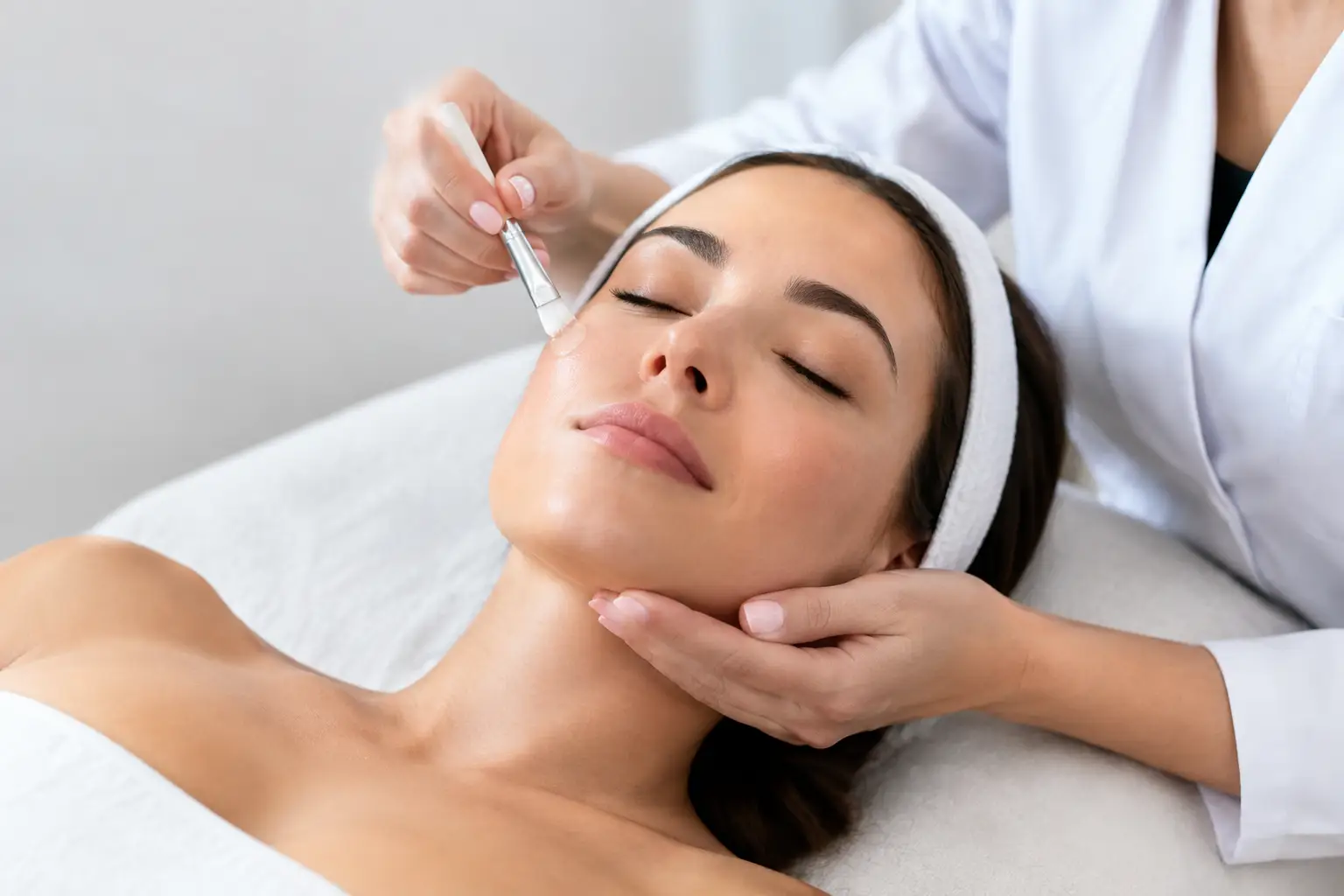
Texture, enlarged pores, acne scarring, pigmentation, and uneven tone require a different approach. RF microneedling, fractional skin resurfacing, chemical or hydrating facial protocols, PRP, and laser treatments can each play a role. A person with acne scars may need a series of collagen-induction treatments, while someone with sun-related discoloration may benefit from a carefully selected laser protocol such as Cynosure PicoSure. These concerns can overlap, so treatment plans often combine modalities over several visits.
Choosing the Right Medical Aesthetics Treatment
The most effective plan starts with an accurate diagnosis of the concern. A tired appearance is not always caused by under-eye volume loss. It may be related to pigmentation, hollowing, skin laxity, cheek volume changes, or a combination of these factors. Similarly, a double chin may involve fat distribution, skin laxity, chin projection, or all three.
A qualified provider should assess the whole area rather than treat a single line or feature in isolation. This matters because facial balance is usually what makes a result look natural. Adding volume without evaluating skin quality or underlying structure can create a result that does not match your goals.
During a consultation, be clear about whether you want a subtle refresh, noticeable correction, or gradual maintenance. Also discuss your schedule. Some treatments have little to no downtime, while others can involve temporary redness, swelling, pinpoint marks, peeling, or bruising. Recovery is often manageable, but it should be planned around important events, travel, and work obligations.
It is also reasonable to ask how many sessions may be needed, when improvement is expected, how long results can last, and what maintenance may involve. Treatments that stimulate collagen typically develop gradually over weeks or months. Injectables can show results sooner, but their longevity varies by product, treatment area, metabolism, and movement patterns.
Injectable Treatments for Expression and Volume
Injectables are among the most recognized medical aesthetic procedures because they can provide precise correction without surgery. Neuromodulators such as BOTOX® Cosmetic are commonly used for forehead lines, frown lines, and crow’s feet. They may also be used in carefully selected cases to refine facial balance or reduce the appearance of certain muscle-related concerns.
Dermal fillers are used differently. They are intended to restore or enhance volume and definition, not freeze movement. Thoughtful filler placement can improve cheek support, soften folds, refine the chin or jawline, and restore facial proportion. Conservative dosing is often the right starting point, particularly for first-time patients. More product does not automatically create a better outcome.
PRP is another option for patients interested in using components of their own blood to support skin quality or hair-focused treatment plans. It may be paired with microneedling or used as part of a broader approach to thinning hair, dull texture, and early signs of aging. Results are gradual and vary from person to person, which makes realistic expectations essential.
Energy Treatments for Skin Tightening and Texture
Radiofrequency, ultrasound, and resurfacing technologies work by delivering controlled energy into targeted layers of the skin. Their purpose may be to promote collagen remodeling, improve texture, tighten mild laxity, or reduce the visible effects of acne scarring and roughness.
Exion AI RF Microneedling combines microneedling with radiofrequency energy and can be considered for concerns such as enlarged pores, uneven texture, acne scars, and early laxity. Exion FSR is a resurfacing option for patients who need more focused support for skin renewal. Treatments are selected according to skin condition, tolerance for downtime, and desired intensity.
Technology-based skin tightening is often a better fit for mild to moderate laxity than for significant excess skin. This distinction matters. Non-surgical treatments can improve quality and firmness, but they do not duplicate the effect of a surgical facelift or body lift. An ethical treatment plan explains what is realistic before treatment begins.
Body Concerns Need a Different Strategy
Body contouring is not a substitute for weight loss, and cellulite reduction is not the same as skin tightening. These are separate concerns that require separate assessments. Body contouring may be appropriate for localized areas that remain resistant to diet and exercise, while cellulite treatments focus on the dimpled texture created by fibrous bands, fat distribution, and skin structure.
The same principle applies to facial contouring. A less-defined jawline may improve through skin tightening, volume balancing, chin enhancement, fat-focused treatment, or a combination of approaches. A personalized plan avoids spending time and money on a procedure that addresses only part of the problem.
Safety, Credentials, and Realistic Expectations
Medical aesthetics should always be approached as a clinical service, even when treatment is quick. The safety of an injectable or device-based procedure depends on the provider’s training, patient screening, technique, product selection, and aftercare guidance. Be prepared to share medications, allergies, medical conditions, past cosmetic procedures, and history of cold sores or unusual scarring when relevant.
Not every treatment is suitable for every person. Pregnancy, breastfeeding, active skin infections, certain medications, autoimmune conditions, implanted devices, and previous fillers may affect eligibility or change the recommended approach. A thorough consultation is not a delay in the process. It is part of achieving a safer and more predictable result.
Before-and-after images can be helpful, but they should be viewed with context. Lighting, facial expression, treatment timelines, and individual anatomy affect what results look like. The most useful question is not whether someone else achieved an identical outcome. It is whether the proposed treatment is appropriate for your skin, goals, and tolerance for maintenance.
Building a Plan That Still Looks Like You
The strongest medical aesthetics plans are often staged. You may begin by improving skin texture and hydration, then reassess whether volume restoration or skin tightening is still needed. Or you may use an injectable treatment for immediate refinement while collagen-building procedures work gradually in the background.
At Genesis Medi Clinic, a consultation can help connect concerns such as wrinkles, volume loss, pigmentation, acne scarring, laxity, or unwanted tattoos with a treatment path that makes clinical sense. For patients in Richmond Hill and the Greater Toronto Area, that individualized approach is especially valuable when several concerns are present at once.
Aesthetic treatment should leave you looking rested, refined, and more comfortable in your own skin. Start with the concern you want to correct, ask direct questions, and choose a plan that respects both your features and your timeline.