
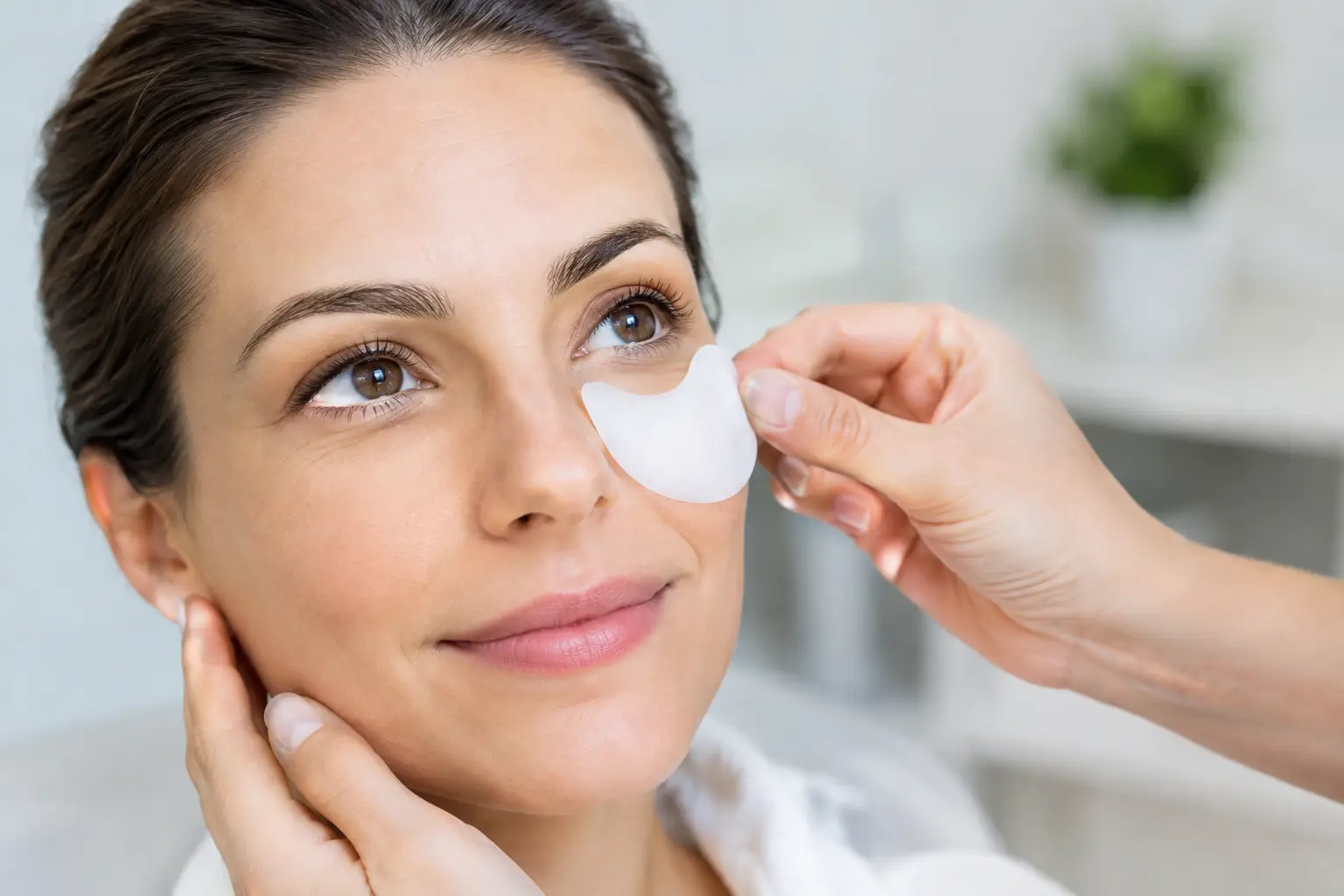
Eye bags can make the face look tired even after a full night of sleep. For some people, the concern is morning puffiness that settles by midday. For others, it is a persistent bulge, hollowing beneath the eyes, or loose skin that changes the way light falls across the face. These concerns may look similar in the mirror, but they do not have the same cause or require the same treatment.
The under-eye area is delicate, highly visible, and technically complex. A treatment that works well for one type of eye bag can make another look more noticeable. The right starting point is a professional assessment of skin quality, facial volume, puffiness, and the structure around the lower eyelid.
What Causes Eye Bags?
Eye bags are not always caused by lack of sleep. Sleep, allergies, salt intake, and dehydration can contribute to temporary swelling, but longer-lasting under-eye bags are often related to natural changes in facial anatomy.
With age, the skin and supportive tissues around the eyes gradually become thinner and less firm. Fat that normally sits smoothly behind the lower eyelid can shift forward, creating a visible fullness or bulge. At the same time, volume can decrease in the cheeks and tear trough area. This combination can create a shadow below the bulge, making the eyes appear more tired.
Genetics also matter. Some patients notice prominent under-eye fullness in their twenties, while others develop it later. Skin laxity, chronic allergies, fluid retention, sun exposure, and facial bone structure may all influence how eye bags appear.
It is also useful to separate eye bags from dark circles. Dark circles can be caused by pigmentation, visible blood vessels, shadowing from hollowness, or a combination of these factors. A person may have dark circles without puffiness, puffiness without discoloration, or both at the same time.
Why the Correct Diagnosis Matters
The lower eye area is not a place for one-size-fits-all treatments. Before recommending a procedure, a qualified provider should determine whether the main concern is fluid retention, fat protrusion, volume loss, crepey skin, pigmentation, or reduced skin firmness.
For example, adding volume to a hollow tear trough may soften a tired appearance when the issue is a deep contour and shadow. However, dermal filler is not automatically the best choice for visible puffiness or true fat pads. In the wrong candidate, additional volume may create more fullness or draw attention to the area.
Similarly, skin-tightening treatments can support firmer-looking skin and improve fine lines, but they do not remove a significant lower eyelid fat pad. Clear expectations are part of safe, successful aesthetic planning. Non-surgical treatment can create meaningful improvement for the right concern, but it may not replace surgery when structural changes are advanced.
Non-Surgical Treatments for Under-Eye Concerns
A customized treatment plan often focuses on improving the relationship between the eyes, cheeks, and surrounding skin rather than treating one small area in isolation.
Dermal Filler for Tear Trough Hollowing
Carefully placed hyaluronic acid filler may be considered when the under-eye area looks hollow, sunken, or shadowed. The goal is not to overfill the lower eyelid. Instead, treatment may restore a smoother transition between the lower eye and upper cheek, reducing the contrast that creates a fatigued appearance.
Under-eye filler requires conservative technique and detailed knowledge of facial anatomy. The area has thin skin and important blood vessels, so proper candidate selection is essential. Patients with substantial puffiness, poor skin elasticity, or a history of prolonged swelling may be better suited to another approach.
In some cases, cheek support is more appropriate than direct tear trough filler. Restoring subtle volume in the midface can improve the under-eye transition while maintaining a natural result.
Skin Tightening for Crepey Texture and Laxity
When loose or crepey skin contributes to eye bags, collagen-stimulating treatments may help improve skin quality over time. Radiofrequency and ultrasound-based technologies are designed to deliver controlled energy beneath the skin’s surface, supporting collagen remodeling and firmer-looking tissue.
Treatments such as Exion RF, Exion AI RF Microneedling, Thermage CPT, or Sofwave may be considered depending on the location of laxity, skin condition, and the patient’s goals. Results are gradual rather than immediate because collagen production takes time. A series of treatments or an ongoing maintenance plan may be recommended.
The trade-off is that skin tightening is best for mild to moderate laxity. It can refine texture and support a refreshed appearance, but it cannot fully flatten pronounced bags caused by herniated fat.
PRP and Microneedling for Skin Quality
Platelet-rich plasma, often called PRP, and microneedling may be helpful when the primary concern is thin, dull, textured, or finely lined skin around the eyes. These treatments focus on improving overall skin quality rather than adding volume or removing fat.
PRP uses concentrated components from the patient’s own blood, while microneedling creates controlled microchannels in the skin to stimulate a repair response. When appropriate for the under-eye area, these options can support smoother-looking texture and a more rested appearance over a series of sessions.
They are not a direct solution for significant puffiness. Still, they can be valuable when eye bags are accompanied by fine lines, creasing, or skin that has lost some of its density.
Neuromodulators for Expression-Related Lines
BOTOX Cosmetic and other neuromodulators can soften dynamic lines around the eyes, such as crow’s feet. This may improve the overall appearance of the eye area, especially when smiling causes pronounced wrinkling.
However, neuromodulators do not treat lower eyelid fat pads or under-eye hollows. Treatment must be placed thoughtfully because excessive relaxation around the eye area can affect expression or worsen the look of lower eyelid laxity in certain patients.
What You Can Do at Home
Lifestyle changes cannot correct every type of under-eye bag, but they can reduce temporary swelling and help you understand what is driving the concern. If puffiness is most noticeable in the morning, consider whether allergies, salty evening meals, alcohol, poor sleep, or sleeping flat may be contributing.
A cool compress can temporarily reduce swelling. Consistent sunscreen use is also important, since UV exposure accelerates collagen loss and can worsen fine lines and pigmentation around the eyes. Gentle skin care matters here. The under-eye area is easily irritated, so aggressive exfoliation or strong active ingredients too close to the lash line can create dryness and make texture look worse.
If swelling is persistent, new, uneven, painful, or associated with vision changes, seek medical evaluation rather than assuming it is only cosmetic.
When Surgery May Be the Better Choice
Some eye bags are primarily structural. When fat pads are significantly prominent, lower eyelid skin is very loose, or there is a large separation between the lower eyelid and cheek, surgical blepharoplasty may provide the most definitive correction.
A reputable aesthetic consultation should include that possibility when appropriate. Choosing a non-surgical treatment simply because it is less invasive can be disappointing if it cannot realistically address the underlying cause. Conversely, patients with early changes may achieve a refreshed result without surgery through a carefully selected combination of skin tightening, volume support, and skin-quality treatments.
A More Natural Approach to Under-Eye Rejuvenation
The most convincing results do not make the under-eye area look filled, frozen, or dramatically altered. They make the face look less shadowed and more balanced. That often means treating the cheek, skin texture, and facial support alongside the under-eye area rather than focusing on a single line or bulge.
At Genesis Medi Clinic, an under-eye consultation is an opportunity to identify what is actually creating the tired appearance and discuss realistic non-surgical options. For patients in Richmond Hill and the Greater Toronto Area, a personalized assessment can help distinguish temporary puffiness from volume loss, laxity, or a concern that may require a different level of care.
A clear plan begins with an honest answer: not every eye bag needs filler, and not every under-eye concern needs a device. The right treatment is the one that fits your anatomy, your goals, and the result you want to see in the mirror.