
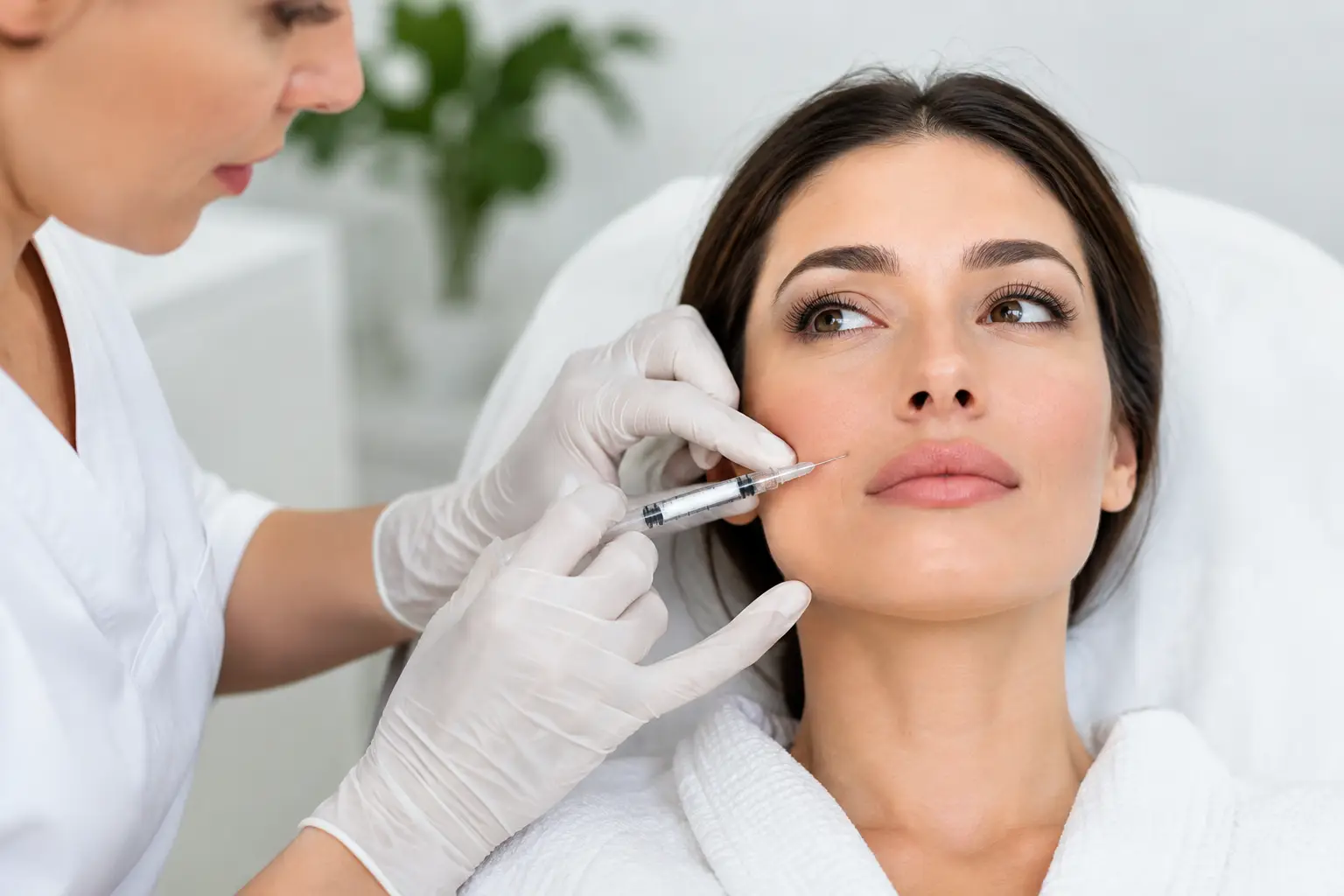
A lip that feels overfilled, an uneven cheek, or a result that simply does not look like you expected can create real anxiety. Are dermal fillers reversible safely? In many cases, yes – but the answer depends entirely on the type of filler used, the area treated, and the reason reversal is being considered. Safe correction starts with an experienced medical assessment, not a rushed decision.
For hyaluronic acid fillers, a trained injector can often use an enzyme called hyaluronidase to break down the product. This can be an effective option when a result is too full, uneven, misplaced, or causing a complication. However, dissolving filler is still a medical treatment. It requires proper diagnosis, careful technique, and realistic expectations about what happens next.
Are Dermal Fillers Reversible Safely? It Depends on the Filler
“Dermal filler” is a broad category, not one single product. The most commonly used fillers for lips, cheeks, under-eyes, jawline, and facial folds are made with hyaluronic acid, a substance naturally found in the skin. These are the fillers that can usually be dissolved with hyaluronidase.
Hyaluronic acid filler reversibility is one reason many patients prefer this category, especially when receiving injectable treatment for the first time. Still, reversible does not mean instantly or perfectly reversible in every situation. Some products are more cohesive, more deeply placed, or more firmly integrated into the tissue. A patient may need more than one treatment session to achieve the desired correction.
Other types of fillers are not dissolved with hyaluronidase. Calcium hydroxylapatite fillers, poly-L-lactic acid biostimulators, polymethylmethacrylate fillers, and fat transfer each behave differently in the body. Their management may involve observation, time, targeted treatment for symptoms, or in select cases, surgical intervention. This is why knowing exactly what product was injected matters before any correction is attempted.
If you are considering filler reversal, bring the name of the product, treatment date, and treatment area to your consultation whenever possible. Those details help your provider determine the safest next step.
When Filler Dissolving May Be Appropriate
Not every result that feels unfamiliar needs to be dissolved. Swelling, bruising, and temporary asymmetry are common shortly after injection, particularly in the lips and under-eye area. It may take time for filler to settle and for the tissue to recover from the injection itself.
Dissolving may be considered when filler remains visibly uneven after the expected healing period, creates unwanted heaviness or migration, or does not suit the patient’s facial proportions. It can also be helpful when old filler has accumulated over multiple sessions and the goal is to restore a cleaner baseline before reinjecting more conservatively.
Sometimes the best plan is partial dissolution rather than removing all filler. For example, a patient may like their lip shape but want less projection, or want to correct only a localized pocket of cheek filler. A precise, conservative approach can preserve an attractive result while improving balance.
The timing matters. Dissolving newly injected filler can be appropriate in certain situations, but it should not be treated as a casual adjustment. A qualified provider will assess whether the concern is true product placement, normal swelling, or an issue that may improve with healing.
Hyaluronidase: How Filler Reversal Works
Hyaluronidase is an enzyme that breaks down hyaluronic acid. When carefully injected into the treatment area, it can reduce or remove hyaluronic acid filler. The response may begin quickly, but the visible outcome can continue to change over the following days as swelling settles and the body processes the dissolved product.
The amount used depends on the filler type, location, depth, age of the filler, and desired degree of correction. There is no one-size-fits-all dose. Over-treating can create more volume reduction than intended, while under-treating may leave residual filler that requires reassessment.
Hyaluronidase can also temporarily affect some of the hyaluronic acid naturally present in the skin. This does not mean it permanently removes your natural facial volume, but it can leave an area looking flatter or less hydrated for a period of time. This effect is one reason a measured approach is preferable when there is no urgent medical concern.
After dissolution, it may be appropriate to wait before considering new filler. The right timing depends on how much product was removed, how the tissue responds, and whether inflammation or scar tissue is present. Reinjection should be based on the face as it looks after healing, not on a rushed attempt to recreate a previous result.
Safety Risks to Understand Before Dissolving Filler
Like any injectable procedure, filler reversal has risks. These can include tenderness, redness, swelling, bruising, itching, and temporary asymmetry. Some patients may feel disappointed when swelling resolves because they were accustomed to the added volume, even if the filler itself had become excessive.
Allergic reactions to hyaluronidase are uncommon but possible, and severe reactions require immediate medical attention. Your provider should review your medical history, allergies, prior reactions to injectable treatments, and any medications or health conditions that may affect treatment planning.
The greatest safety concern surrounding fillers is not cosmetic dissatisfaction. It is a vascular complication, where filler compromises blood flow to the skin or, in rare situations, affects vision. This is an urgent situation that requires immediate medical assessment and treatment by a provider trained to recognize and manage it.
Seek urgent care right away if you experience severe or escalating pain, blanching or unusual discoloration of the skin, a mottled or net-like color pattern, coolness in the treated area, blistering, vision changes, or a severe headache after filler injections. Do not wait to see whether these symptoms improve on their own.
Why Provider Experience Matters
Safe filler correction is not simply a matter of injecting an enzyme. The provider must understand facial anatomy, filler behavior, injection depth, and the difference between normal post-treatment changes and a complication. They should also have a clear emergency protocol for vascular events and know when referral or additional medical care is needed.
A proper consultation should include an assessment of your facial movement, symmetry, skin quality, previous filler placement, and aesthetic goals. Photos from before treatment can be particularly useful when evaluating whether the issue is excess volume, migration, asymmetry, or a change that was already present naturally.
At Genesis Medi Clinic, treatment planning is based on the specific concern in front of you, not a standard correction formula. For some patients, this may mean carefully dissolving hyaluronic acid filler. For others, the more appropriate plan may be allowing swelling to settle, addressing skin quality, or using a conservative approach to restore facial balance.
Questions to Ask at a Filler Reversal Consultation
Before proceeding, ask what filler was used and whether it is actually reversible with hyaluronidase. Ask whether the goal is full dissolution or a targeted correction, what changes you can expect during healing, and whether more than one session may be needed.
You should also ask how the provider handles urgent filler complications and what symptoms should prompt immediate contact or emergency care. Clear answers are a sign of a clinic that treats filler reversal as a medical procedure, not an afterthought.
A result you do not love does not automatically mean something has gone wrong, and it does not mean you need to live with it. The safest path is a calm, medically informed assessment that identifies the filler type, protects your facial anatomy, and chooses correction only when it truly serves your health and aesthetic goals.