
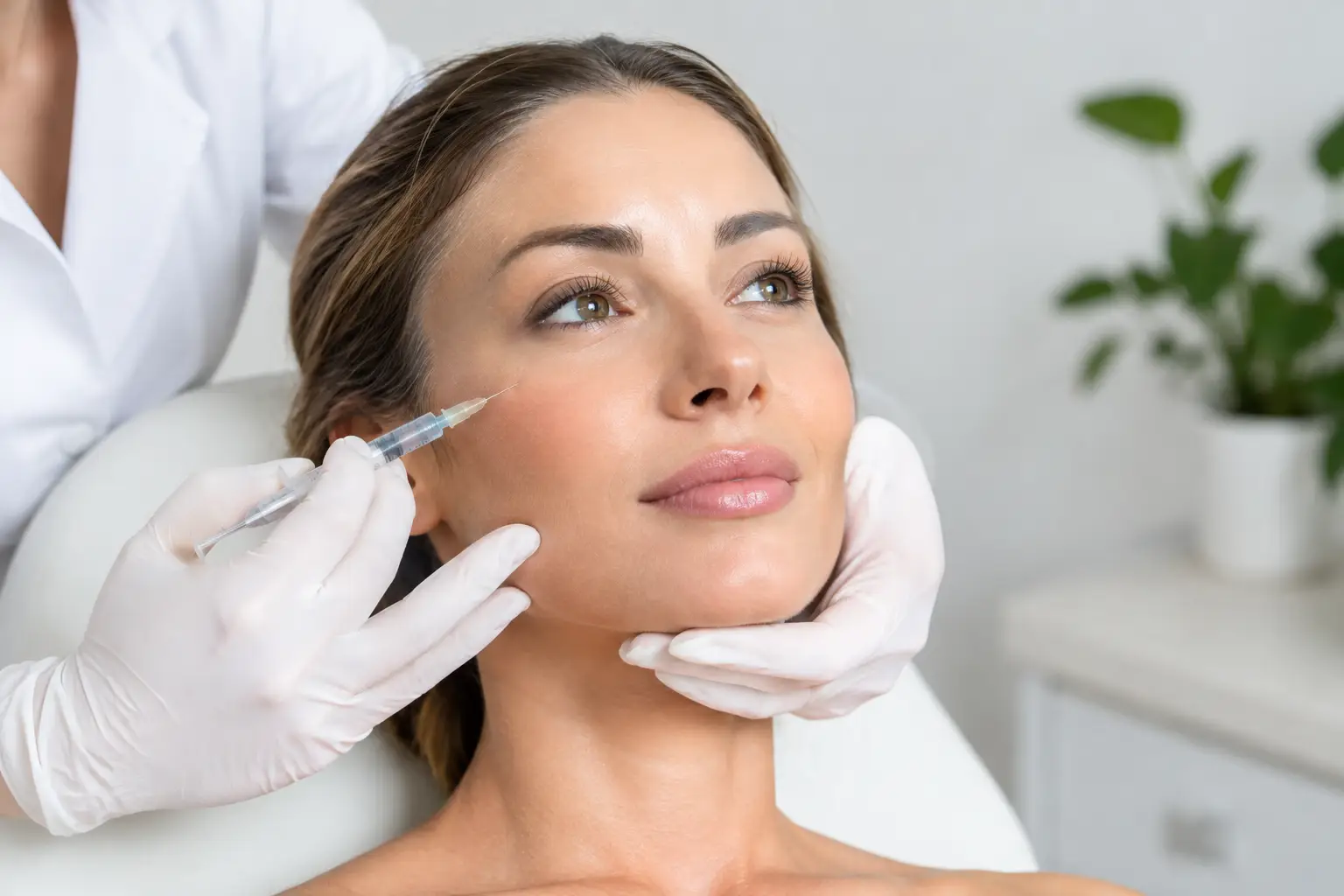
A face can look tired, hollow, or less defined even when the skin itself is in good condition. This is often a volume issue, not simply a wrinkle issue. If you are researching how to restore facial volume, the most effective approach starts with identifying where structural support has changed and choosing treatment that improves balance without making the face look overfilled.
Facial volume restoration is highly individualized. A treatment that creates a subtle cheek lift for one person may not be appropriate for someone whose primary concern is under-eye hollowness, temple loss, or reduced definition around the jawline. The goal is not to change your face. It is to restore smoother transitions, support facial contours, and help you look more rested and refreshed.
Why Facial Volume Changes Over Time
Facial aging is not caused by one factor. With time, the body produces less collagen and elastin, the skin becomes thinner, and the fat pads that provide soft facial contour can shrink or shift downward. Bone structure can also change gradually. Together, these changes may create shadows, flattening, folds, and loose skin.
Volume loss often becomes noticeable in the midface, cheeks, temples, lips, under-eye area, and around the mouth. A person may feel that nasolabial folds or marionette lines suddenly look deeper, but treating the line directly is not always the best answer. In many cases, restoring support higher in the face can soften the appearance of lower facial folds more naturally.
Weight loss, genetics, stress, sun exposure, smoking, and certain medical conditions can also contribute to a hollow or depleted appearance. This is why a consultation should look beyond one visible line or area. A complete facial assessment considers proportion, skin quality, symmetry, muscle movement, and the way each facial feature relates to the next.
How to Restore Facial Volume With Injectable Treatments
For many patients, injectable treatments are the most direct nonsurgical option for restoring lost facial volume. Modern techniques focus on precise placement and conservative amounts, with the aim of improving structural support rather than creating an obvious change.
Hyaluronic Acid Dermal Fillers
Hyaluronic acid dermal fillers are commonly used to add immediate volume and contour. Hyaluronic acid is a substance naturally found in the body that attracts water, which helps create soft, hydrated-looking fullness when it is placed appropriately.
Depending on the formulation and treatment plan, filler may be used to restore cheek projection, improve temple hollowness, enhance the chin, define the jawline, soften lines around the mouth, or refine lip shape. Some products are better suited for deep structural support, while others are designed for delicate areas where flexibility and softness matter.
One advantage of hyaluronic acid filler is that results are visible right away, although minor swelling can occur initially. Results are temporary and vary by product, area treated, metabolism, and lifestyle. Many patients return for maintenance after several months to more than a year.
The trade-off is that filler requires technical judgment. Over-treating a single area can create heaviness or an unnatural contour. The best results typically come from a measured plan that respects facial anatomy and leaves room to reassess after swelling resolves.
Collagen-Stimulating Treatments
Some patients are better candidates for treatments that encourage the body to create more of its own collagen. These options do not always provide the same immediate correction as a volumizing filler, but they can improve skin density, firmness, and gradual facial support over time.
At Genesis Medi Clinic, treatments such as RF microneedling, radiofrequency skin tightening, ultrasound-based technology, and PRP may be considered when volume loss is accompanied by crepey skin, early laxity, or reduced skin quality. These treatments work differently from filler. Rather than physically replacing missing volume, they support collagen remodeling and may improve how the skin sits over the underlying facial structure.
This distinction matters. If the cheeks are significantly hollow, a collagen-focused treatment alone may not create enough visible restoration. If the concern is mild volume loss combined with loose or thinning skin, a collagen-stimulating approach may be a valuable part of a broader plan.
PRP for Subtle Rejuvenation
Platelet-rich plasma, or PRP, uses components from your own blood to support skin rejuvenation. It may be used in areas where skin quality is a larger concern, including the under-eye region, fine lines, and overall texture. PRP does not replace the structural volume that a filler can provide, but it may help improve the appearance of tired, thin-looking skin when selected appropriately.
PRP often works best as part of a layered approach. For example, carefully placed filler may restore support in the midface while PRP or microneedling addresses surface quality. The treatment sequence depends on the patient’s anatomy, priorities, and comfort with downtime.
Volume Loss or Skin Laxity: Knowing the Difference
It is common to mistake loose skin for volume loss, or vice versa. In reality, many faces have both concerns. Adding volume to a face with significant laxity without addressing the skin can sometimes make the face appear heavier. On the other hand, tightening treatments alone may not correct hollowness caused by depleted facial fat.
During an assessment, a provider may examine whether lifting the cheek area with gentle manual support improves the appearance of folds and jowls. They may also assess whether shadows are caused by a true depression, pigmentation, or the position of facial fat pads. This evaluation helps determine whether the plan should prioritize filler, collagen stimulation, skin tightening, or a combination of treatments.
For patients who want a more defined lower face, treating the chin and jawline may be appropriate. For others, restoring the cheeks first creates a more balanced improvement throughout the face. There is no single injection map that works for everyone.
What a Natural-Looking Treatment Plan Includes
Natural facial rejuvenation is less about adding more product and more about placing the right treatment in the right plane. A thoughtful plan begins with your concerns, but it should also account for facial proportions, previous injectable history, medical background, and realistic expectations.
A qualified provider should discuss the treatment areas, the type of product or technology being considered, expected duration, possible side effects, and the follow-up process. Bruising, swelling, tenderness, and temporary asymmetry can occur with injectable treatments. More serious complications, though uncommon, require prompt medical assessment. Choosing a medically informed provider with detailed facial anatomy knowledge is essential.
Patients should also be honest about prior fillers, cosmetic procedures, medications, allergies, and health conditions. If you have existing filler that has shifted or if you are unsure what was previously used, that information can affect treatment decisions. Sometimes the safest choice is to wait, treat skin quality first, or reassess rather than adding volume immediately.
Maintaining Facial Volume Results
No nonsurgical treatment stops aging, but maintenance can help preserve a refreshed appearance. Sun protection, consistent skincare, stable weight, adequate sleep, and avoiding smoking all support skin quality and collagen health. These habits will not replace lost volume, yet they can help extend the visible benefits of professional treatment.
Maintenance appointments should be based on your response to treatment, not a fixed schedule. Some patients prefer gradual, small refinements over time. Others benefit from treating multiple areas in stages. A conservative approach often produces the most believable result because it allows the face to remain balanced as changes develop.
Facial volume restoration should leave people wondering whether you have been sleeping better, not asking what you had done. A personalized consultation can clarify whether your concern is best addressed with dermal filler, collagen stimulation, skin tightening, PRP, or a carefully planned combination designed around your natural features.