
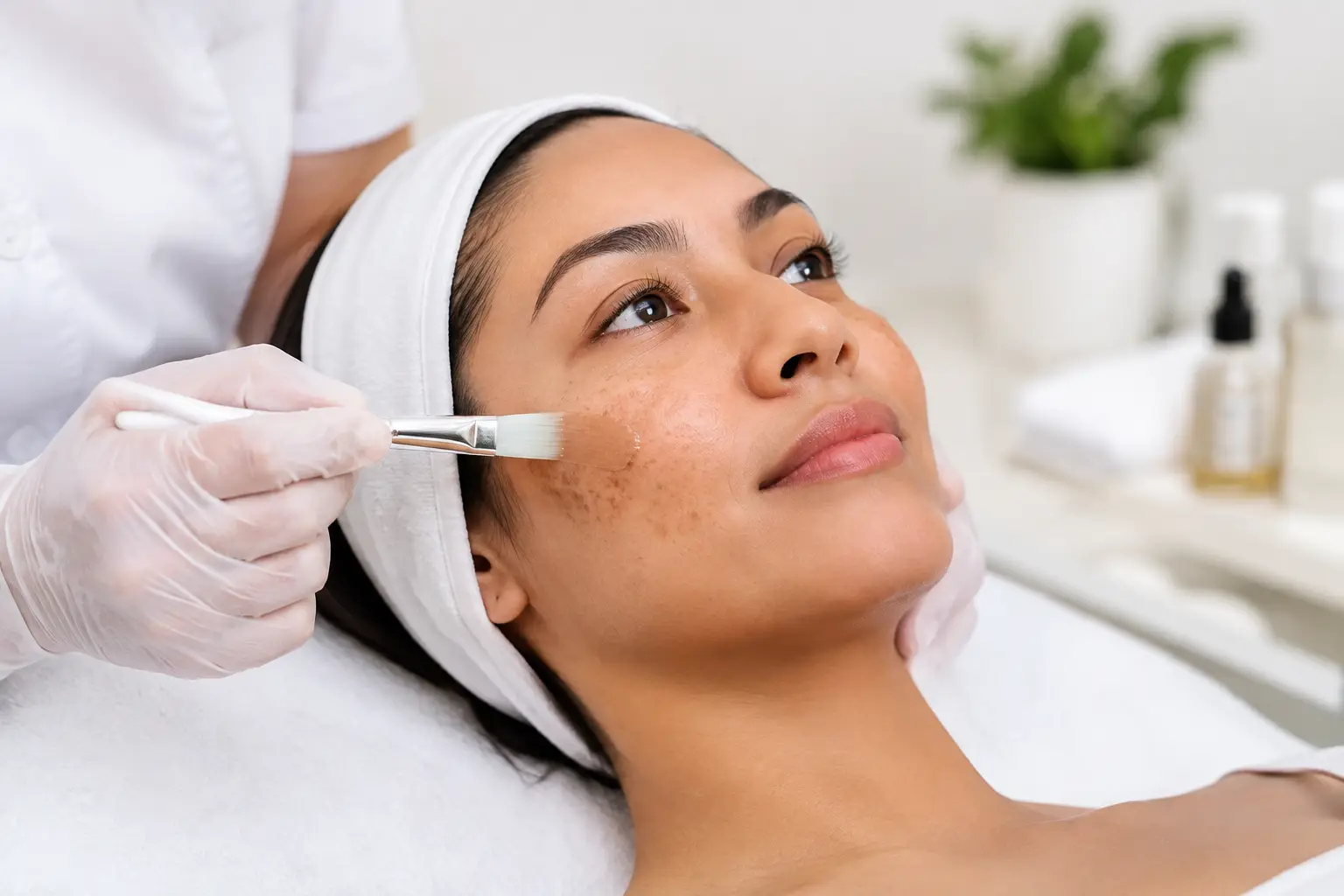
A dark spot can look small in the mirror and still feel impossible to ignore. Whether it appeared after acne, sun exposure, inflammation, or a hormonal change, pigmentation often lingers long after the original skin concern has resolved. This guide to hyperpigmentation treatments explains how to identify the type of discoloration you may have, which professional options may help, and why a customized plan is usually more effective than chasing a single quick fix.
What Hyperpigmentation Actually Means
Hyperpigmentation is a broad term for areas of skin that have become darker than the surrounding complexion because of excess melanin production. It can appear as isolated brown spots, uneven patches, lingering acne marks, or more diffuse discoloration across the cheeks, forehead, upper lip, chest, or hands.
The visible pigment is only part of the issue. Successful treatment depends on understanding what triggered the pigment, how deeply it sits in the skin, and whether the triggering process is still active. Treating surface discoloration while ongoing inflammation or unprotected sun exposure continues can lead to disappointing results.
Common forms of hyperpigmentation include sun spots, post-inflammatory hyperpigmentation, melasma, and pigment changes following skin irritation or injury. They can look similar at first glance, but they do not always respond to the same treatment approach.
Sun Spots and Photoaging
Sun spots, also called solar lentigines, are usually flat, clearly defined brown spots that develop after years of UV exposure. They often appear on the face, neck, chest, shoulders, and hands. These spots can respond well to professional light and laser-based treatments, provided the skin is properly assessed and protected afterward.
Post-Inflammatory Hyperpigmentation
Post-inflammatory hyperpigmentation, often called PIH, occurs after inflammation in the skin. Acne is a frequent cause, but PIH can also follow picking, burns, rashes, aggressive exfoliation, or cosmetic procedures performed too aggressively for the skin. The mark may be brown, gray-brown, or deeper in tone depending on skin type and pigment depth.
For PIH, controlling the underlying trigger matters as much as fading the mark. If active acne continues, new dark marks may form faster than existing ones can clear.
Melasma Requires a More Conservative Strategy
Melasma usually appears as symmetrical patches of brown, tan, or gray-brown pigment, most often across the cheeks, forehead, nose, and upper lip. It is commonly influenced by sunlight, visible light, heat, hormones, and genetics.
Melasma can improve significantly, but it is prone to recurrence. A treatment plan needs to be controlled, gradual, and paired with consistent home care. Strong treatments are not automatically better. In some cases, overly aggressive heat-based or exfoliating procedures can worsen the condition.
Guide to Hyperpigmentation Treatments: Start With Assessment
Before selecting a procedure, a qualified provider should assess the color, pattern, location, and likely depth of the pigmentation. They should also ask about acne history, hormones, medications, recent tanning, skincare products, previous treatments, and any tendency to develop dark marks after irritation.
This consultation is not a formality. It helps determine whether the pigment is likely superficial, deeper within the skin, or mixed. It also identifies factors that can affect safety, including active inflammation, a compromised skin barrier, certain medications, and recent sun exposure.
At Genesis Medi Clinic, treatment planning is based on the concern in front of you rather than a one-size-fits-all package. Some clients need targeted pigment correction. Others benefit from addressing acne, rough texture, enlarged pores, or early signs of photoaging at the same time.
Professional Options for Dark Spots and Uneven Tone
Professional hyperpigmentation treatments are selected based on skin type, pigment type, tolerance for downtime, and the desired pace of improvement. Most people see the best outcome through a series of treatments combined with a disciplined skincare routine.
Pico Laser Treatment
Picosecond laser technology, such as Cynosure PicoSure, delivers ultra-short pulses of energy designed to break pigment into smaller particles that the body can gradually clear. It can be an effective option for certain sun spots, freckles, post-inflammatory marks, and uneven tone.
The appeal of pico laser treatment is precision. It can target unwanted pigment without relying on prolonged heat exposure. Still, laser treatment must be chosen carefully, especially for deeper skin tones or melasma-prone skin. The wrong settings, insufficient preparation, or poor aftercare can trigger inflammation and create additional pigmentation.
A series is often recommended because pigment does not clear all at once, and different spots may respond at different rates. Skin can look temporarily darker before it improves as pigment rises toward the surface and sheds naturally.
Chemical Peels and Clinical Exfoliation
Professional chemical peels use controlled exfoliation to improve dullness, superficial discoloration, texture, and acne-related marks. Depending on the formula and strength, a peel may focus on brightening the upper layers of the skin, reducing congestion, or supporting a more even complexion over time.
Peels can be useful for superficial pigmentation, but they are not appropriate for every case. A peel that is too strong, too frequent, or poorly matched to the skin can cause irritation and PIH. This is why professional selection and pre-treatment skin preparation matter, particularly for clients with sensitive or melanin-rich skin.
Microneedling With Radiofrequency
RF microneedling, including Exion AI RF MicroNeedling, combines controlled micro-injuries with radiofrequency energy to support collagen remodeling and improve overall skin quality. It is often considered when pigmentation occurs alongside acne scarring, visible pores, rough texture, and early laxity.
RF microneedling is not primarily a pigment-removal procedure in the same way a targeted laser can be. Its strength is broader skin renewal. When performed appropriately, it may help improve the uneven texture and post-acne changes that make pigmentation appear more pronounced.
Because inflammation can drive pigment formation, treatment settings and timing must be individualized. Skin that is actively irritated, sunburned, or breaking out may need stabilization before a procedure begins.
Medical-Grade Skincare and Barrier Support
Professional treatments work better when the home routine supports them. Brightening ingredients may include vitamin C, retinoids, azelaic acid, niacinamide, tranexamic acid, kojic acid, or other pigment-regulating compounds selected for your skin.
Not every active ingredient should be layered together. Combining strong exfoliants, retinoids, and brightening products without guidance can damage the skin barrier, causing redness, stinging, and more pigmentation. A simpler routine used consistently is often more effective than an aggressive cabinet full of products.
The Non-Negotiable Step: Daily Sun Protection
No hyperpigmentation treatment plan is complete without sunscreen. UV exposure stimulates melanocytes, the cells responsible for pigment production, and even brief daily exposure can maintain or deepen discoloration.
Use a broad-spectrum sunscreen with SPF 30 or higher every morning, then reapply when you are outdoors for extended periods. For melasma and visible-light sensitivity, a tinted sunscreen containing iron oxides may offer added support. Hats, shade, and avoiding deliberate tanning provide another layer of protection.
This is not just maintenance after treatment. It is part of the treatment itself.
What Results Can You Expect?
Hyperpigmentation improves gradually. Superficial sun spots may respond relatively quickly, while post-acne marks and melasma typically require more patience. Many clients begin to notice a brighter, more even appearance after several weeks, but meaningful correction can take multiple treatment sessions and months of consistent home care.
The goal should be improvement, not an unrealistic promise of permanently flawless skin. Melasma, in particular, can be managed successfully but may return with sun exposure, heat, hormonal shifts, or inconsistent maintenance.
It is also normal for a treatment plan to change. If the skin becomes irritated, a provider may reduce intensity, adjust product use, or space sessions farther apart. Protecting the skin from unnecessary inflammation is often the fastest path to better long-term results.
When to Seek Medical Evaluation First
A new, changing, irregular, itchy, bleeding, or unusually dark spot should be evaluated by a physician before cosmetic treatment. Cosmetic procedures are intended for benign pigmentation concerns, not for diagnosing suspicious lesions.
Pregnancy, breastfeeding, active skin infections, certain medications, and recent tanning may also affect which treatments are appropriate. Be open during your consultation so the plan can be safe as well as effective.
Clearer-looking skin rarely comes from one dramatic appointment. It comes from choosing the right treatment for the right type of pigment, protecting your skin every day, and giving the process enough time to work.