
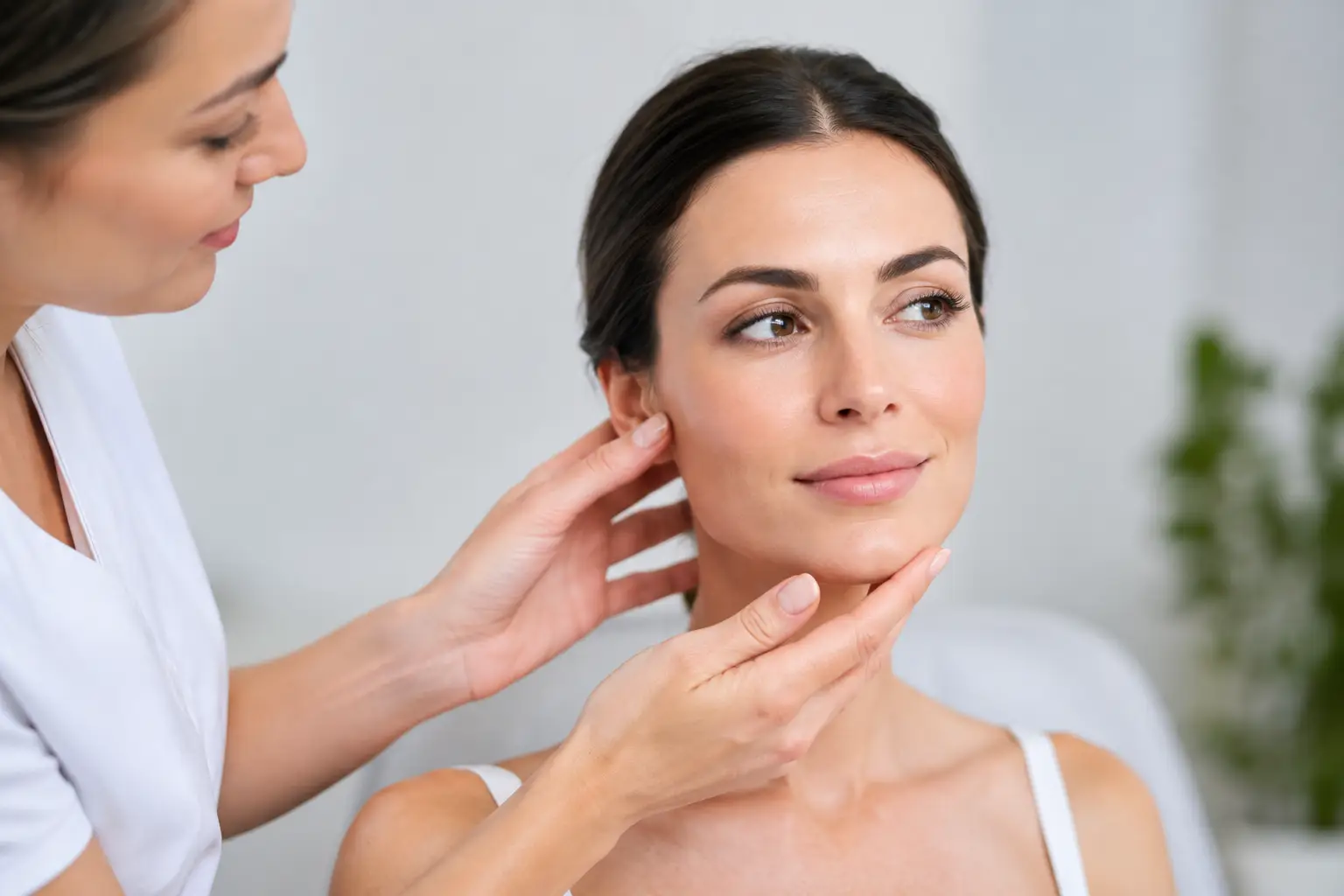
Facial balancing is not about changing every feature or pursuing a copy-and-paste look. It is about identifying why the face may appear tired, flat, heavy, hollow, or less defined, then correcting the proportions in a measured way. This guide to facial balancing explains how a personalized, non-surgical plan can support natural-looking facial harmony.
Many people arrive focused on one concern, such as under-eye hollows, thin lips, a weak chin, or deep smile lines. That concern may be real, but treating it in isolation is not always the best route. A skilled assessment considers how the forehead, temples, cheeks, jawline, chin, lips, and skin quality work together. Often, a small adjustment in one area can improve the appearance of another without overfilling either feature.
What Facial Balancing Means
Facial balancing is a strategic approach to facial rejuvenation and contouring. It uses injectable treatments, collagen-stimulating procedures, and skin-tightening technologies to improve proportion, structure, and overall symmetry where appropriate. The goal is not perfect symmetry. Natural faces have subtle differences from one side to the other. The goal is a result that looks rested, supported, and consistent with your own features.
For example, a recessed chin can make the nose appear more prominent and soften jawline definition. Restoring chin projection may improve profile balance without touching the nose. Similarly, volume loss in the midface can create deeper folds around the mouth and make the lower face look heavier. Supporting the cheeks can soften that transition more naturally than repeatedly filling the folds themselves.
Age, genetics, weight changes, dental structure, sun exposure, and skin quality all influence facial balance. This is why the same treatment plan should not be applied to every patient.
The Areas Assessed During Facial Balancing
A consultation should begin with a full-face assessment rather than a quick decision based on a single selfie. Photos can flatten dimension, and lighting can exaggerate shadows. Your provider should assess the face from the front, at an angle, and in profile, both at rest and in motion.
Upper Face: Forehead, Temples, and Brows
The upper face shapes how alert or tired you appear. Volume loss at the temples can create a hollowed look and reduce the smooth transition between the forehead and cheeks. Brow position, forehead movement, and the strength of the frown muscles also matter.
Wrinkle relaxers such as BOTOX® Cosmetic may soften dynamic lines caused by repeated muscle movement. Used with careful dosing, they can create a refreshed appearance while preserving expression. In selected cases, restoring temple volume can improve the framing of the face. Temple treatment requires advanced anatomical knowledge because it is a technically sensitive area.
Midface: Cheeks, Under-Eyes, and Smile Lines
The midface is often the foundation of a balanced facial plan. Over time, cheek fat pads and supportive tissues shift downward, while collagen and bone support gradually decrease. The result can be flatter cheeks, under-eye shadowing, more visible nasolabial folds, and a tired appearance even after adequate sleep.
Dermal filler may be used to restore contour in the cheek or midface. The best treatment is usually not the one that creates the highest cheekbone. It is the one that restores appropriate support for your facial shape, age, and existing volume. Some patients benefit from addressing skin laxity or texture first, especially when loose skin rather than volume loss is the main concern.
Under-eye concerns require particularly careful assessment. Dark circles can be caused by hollowing, pigmentation, visible blood vessels, puffiness, or a combination of factors. Filler is not appropriate for every type of under-eye concern. If fluid retention or prominent eye bags are present, another approach may be safer and more effective.
Lower Face: Lips, Chin, Jawline, and Neck
The lower face has a significant effect on profile and facial definition. Lip filler may add hydration, shape, or subtle volume, but lips should remain proportionate to the chin, nose, and surrounding facial structure. Treating lips without considering these relationships can make an otherwise natural face look unbalanced.
Chin enhancement can add projection, improve the profile, and create more definition between the lower lip and chin. Jawline contouring may help patients seeking a clearer transition from the face to the neck. For others, a double chin or skin laxity is the primary issue, making injectable contouring alone less suitable.
When laxity contributes to a softer jawline, collagen-stimulating technologies such as Sofwave™, Thermage CPT, Emface, or Exion RF and targeted ultrasound treatments may be considered. These treatments do not replace the lifting effect of surgery, but they can be valuable for patients with mild to moderate laxity who want non-surgical improvement and gradual collagen remodeling.
A Guide to Facial Balancing Treatments
The right treatment depends on what is causing the concern. Volume loss, muscle activity, skin laxity, fat under the chin, rough texture, and pigmentation are different issues and need different solutions.
Dermal fillers can provide immediate structural support or refinement in areas such as the cheeks, chin, jawline, temples, and lips. Results vary by product, placement, metabolism, and facial movement. More filler is not always better. Overcorrection can weigh down the face, distort expression, or create an unnatural appearance over time.
Wrinkle relaxers reduce the pull of targeted muscles. They are often used for forehead lines, frown lines, crow’s feet, jaw tension, and downward-pulling muscles around the lower face. They can complement filler, but they do not replace lost volume.
Skin-tightening and collagen-induction treatments address a different part of the picture. Radiofrequency microneedling, ultrasound, and radiofrequency technologies may help improve firmness, texture, pores, acne scarring, and fine lines. Improvement typically develops over weeks to months as collagen remodeling occurs. Patients with significant laxity should understand that non-surgical treatments offer refinement, not a surgical facelift result.
A treatment plan may also be staged. A provider might first improve skin quality and reduce inflammation, then reassess volume and contour after the skin has settled. This approach can prevent unnecessary injections and produce a more polished result.
What a Personalized Plan Should Consider
Good facial balancing respects your anatomy, ethnicity, age, gender presentation, and personal preferences. A sharply contoured jawline may suit one patient and look out of place on another. Some people want subtle maintenance that no one can identify. Others want more visible definition while still looking like themselves. Both goals are valid when they are discussed clearly.
Your provider should also ask about previous filler, medical history, allergies, medications, dental procedures, and upcoming events. Existing filler can affect planning, especially if it has migrated or was placed repeatedly over several years. In some situations, dissolving older filler and starting conservatively may be the safer option.
At Genesis Medi Clinic, facial balancing plans are built around the cause of the concern rather than a standard injectable package. That may mean combining filler with wrinkle reduction or using skin-tightening technology when tissue quality is the greater priority.
What to Expect After Treatment
Most injectable treatments involve little downtime, but temporary swelling, tenderness, redness, and bruising can occur. Swelling is especially common in the lips and under-eye area. It is wise to schedule treatments well before a wedding, vacation, or major photo event rather than a few days before it.
Results from filler are often visible immediately, although the final appearance should be judged after swelling settles. Wrinkle relaxers typically develop over several days. Collagen-stimulating procedures require more patience, with gradual changes appearing over time and sometimes after a treatment series.
Choose a qualified medical aesthetics provider who can explain expected results, limitations, risks, and aftercare. Seek prompt medical attention if you experience severe or unusual pain, blanching or color changes in the skin, vision symptoms, or worsening swelling after injectable treatment.
When Less Is the Better Choice
The most successful facial balancing plans are often conservative. A face does not need every area treated at once, and a strong result may come from correcting one structural issue rather than adding volume everywhere. Periodic reassessment gives you time to see how your features settle and decide whether another step is truly needed.
If you are considering facial balancing, begin with a consultation that looks beyond the single feature bothering you. A clear assessment, realistic expectations, and a staged plan can help you make changes that look intentional, refined, and comfortably your own.