
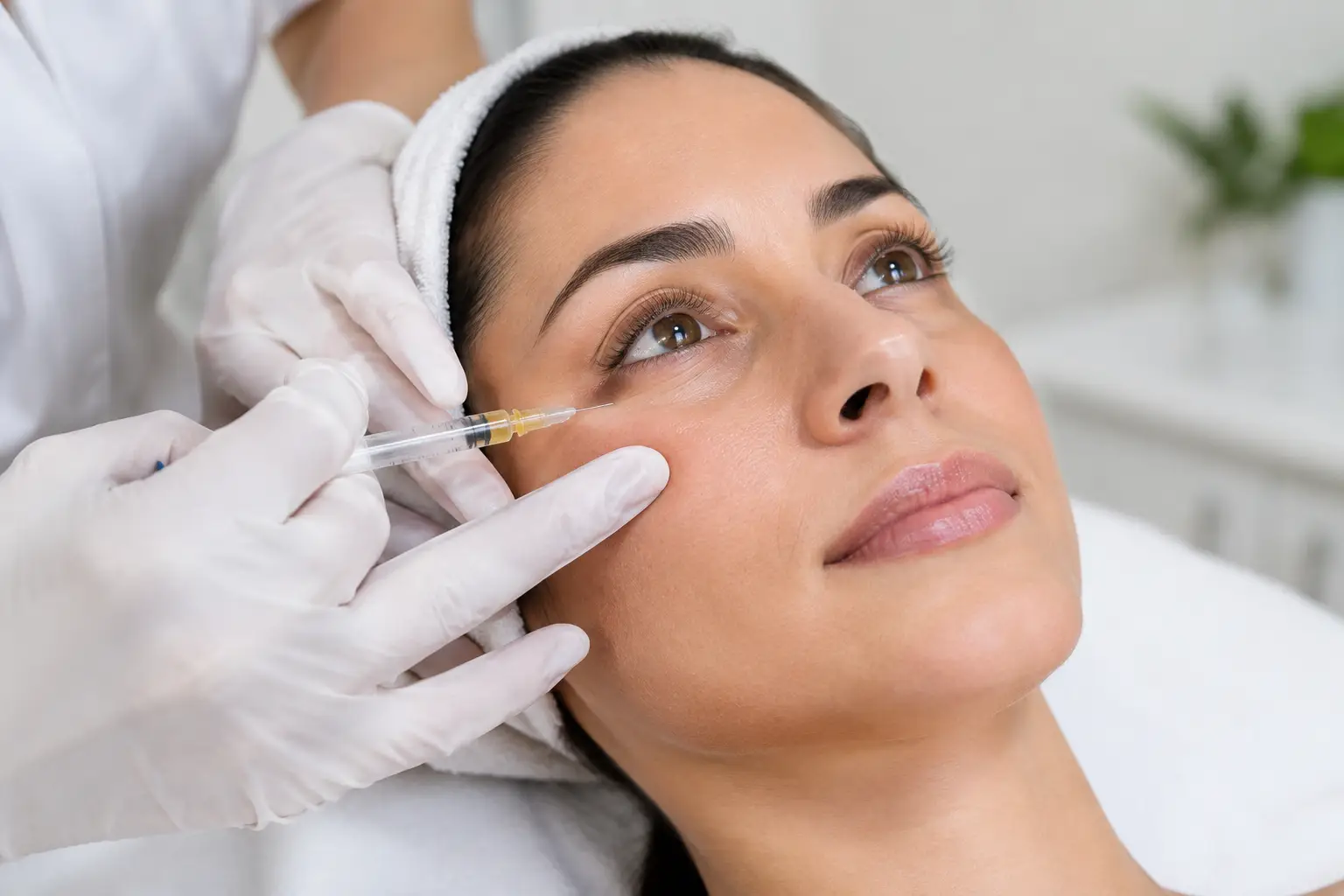
Dark circles are rarely caused by one issue. A bluish cast from visible vessels, brown pigmentation, a hollow tear trough, puffy lower-eye bags, and thin crepey skin can all create the same tired appearance. That is why the question, “can PRP help dark circles,” deserves a more precise answer than a simple yes or no.
PRP can improve certain types of under-eye darkness, especially when thin skin, fine lines, and mild hollowness are contributing to shadowing. It is not a universal correction for every dark circle. A professional assessment is the fastest way to identify what is creating the concern and whether PRP, filler, skin tightening, or a combined plan is the more appropriate choice.
Can PRP Help Dark Circles?
PRP, or platelet-rich plasma, is made from a small sample of your own blood. After the sample is processed, the platelet-rich portion is placed into targeted areas of the skin through carefully performed injections and, in some cases, combined with microneedling. Platelets contain growth factors that support the body’s natural repair processes.
In the under-eye area, the goal is not to create immediate volume in the way a dermal filler can. PRP is used to support collagen production and improve the quality of delicate skin over time. As the skin becomes better supported, it may look smoother, less crepey, and less transparent. This can reduce the appearance of dark vascular shadows and make mild under-eye hollows look less pronounced.
The best candidates are often patients whose dark circles have developed alongside early signs of aging: fine lines, fragile skin, mild laxity, and a tired-looking under-eye area without significant bags. PRP may also appeal to patients who prefer a regenerative treatment using their own plasma rather than a volumizing injectable.
Results vary because dark circles vary. If the primary concern is brown pigment, PRP alone may deliver limited improvement. If there is a deep structural hollow below the eye, PRP may improve skin quality but may not replace the support that a carefully selected filler treatment can provide. If prominent fat pads or swelling are casting the shadow, the treatment plan needs to address that anatomy rather than simply treating the skin surface.
What PRP Can and Cannot Correct
An under-eye consultation should separate darkness from shadow. This distinction matters because a shadow changes when light hits the face differently, while true pigmentation remains visible regardless of lighting.
PRP may be a strong option when the under-eye skin is thin, dry-looking, finely wrinkled, or visibly vascular. It can be useful for early tear-trough changes, particularly when a patient wants gradual improvement rather than a dramatic volume change. It may also be selected as part of a longer-term skin maintenance plan after other concerns, such as volume loss, have been corrected.
PRP is less predictable for genetically driven brown pigmentation, melasma-related discoloration, or pronounced under-eye bags. In these cases, a provider may recommend a different approach or a combination plan. This might include targeted pigment treatment, skin-tightening technology, a conservative filler strategy, or a customized skincare regimen. The right answer depends on the cause, skin tone, degree of hollowing, and your tolerance for downtime and gradual results.
It is also worth considering lifestyle factors. Allergies, chronic nasal congestion, poor sleep, dehydration, smoking, and frequent rubbing can make the under-eye area look darker. Treating these contributors will not erase structural hollows, but it can help preserve the results of a professional treatment.
What Happens During Under-Eye PRP Treatment
The appointment typically begins with photographs and an assessment of the lower eyelid, tear trough, cheek support, pigmentation pattern, and skin texture. Your provider should also review your health history, medications, supplements, history of bruising, and prior injectable treatments.
A small blood draw is then processed to separate the platelet-rich plasma. The PRP is placed precisely in the planned under-eye area, usually with fine needles or a cannula depending on the technique and anatomy. Numbing may be used to improve comfort.
The treatment itself is relatively quick, but careful placement matters more than speed. The under-eye area is thin and anatomically complex. Choosing an experienced medical aesthetics provider is essential for appropriate patient selection, conservative technique, and a plan that respects the natural contours of the face.
After treatment, temporary swelling, redness, tenderness, and bruising are possible. Many patients return to normal daily activities quickly, although it is sensible to schedule treatment away from an important event if bruising would be inconvenient. Your provider will give specific aftercare instructions, including guidance on makeup, exercise, skincare products, and medications that may increase bruising risk.
When Will You See Results?
PRP is a gradual treatment. Some patients notice a fresher appearance once initial swelling settles, but meaningful improvement in skin texture and quality generally develops over several weeks as collagen remodeling occurs. The result is usually subtle and natural-looking rather than an overnight transformation.
A series of treatments is commonly recommended, often spaced several weeks apart. The exact number depends on the severity of the concern, the condition of the skin, and whether PRP is being used alone or with other treatments. Maintenance may be appropriate as aging, sun exposure, and normal collagen loss continue.
Set expectations carefully: PRP is designed to improve the tissue, not camouflage every cause of darkness instantly. Patients who want immediate correction of a deep hollow may be better served by another treatment or by combining PRP with a conservative structural approach.
PRP vs. Under-Eye Filler
PRP and filler are sometimes discussed as though they do the same job. They do not. PRP focuses on skin quality and gradual regeneration. Hyaluronic acid filler is used to restore support or volume where a tear trough or mid-cheek volume loss creates a visible shadow.
For the right candidate, filler can make a hollow look better immediately. However, the under-eye area requires careful assessment and advanced technique. Too much filler, poor placement, existing puffiness, or unsuitable anatomy can lead to an unnatural or persistently swollen appearance. A conservative plan is especially important around the eyes.
PRP may be preferable when skin thinning and texture are the main issues, when a patient has mild concerns, or when filler is not the best fit. For some patients, the most balanced result comes from treating volume and skin quality separately. There is no benefit to forcing one treatment to solve a problem it was not designed to correct.
Who Should Postpone or Avoid PRP?
PRP is not appropriate for every patient. Treatment may need to be postponed if you have an active skin infection, significant inflammation around the eyes, or a current illness. Certain blood disorders, platelet conditions, anticoagulant use, autoimmune concerns, pregnancy, or breastfeeding may affect suitability. A medical consultation is necessary to review your individual history.
Patients with severe under-eye bags or significant eyelid laxity should also understand that injectable and regenerative treatments have limits. In some cases, surgical evaluation may be the more effective route. A responsible provider will explain this directly rather than promising a correction that non-surgical treatment cannot reliably deliver.
Choosing a Plan for Dark Circles
The most useful question is not simply whether PRP works. It is: what is making your under-eye area look dark? A treatment plan should evaluate pigment, vessels, skin thickness, volume loss, edema, and facial structure before recommending a procedure.
At Genesis Medi Clinic, an under-eye consultation is designed to match the visible concern with the appropriate treatment path, whether that involves PRP, injectable rejuvenation, skin-quality treatments, or a combination strategy. Bring photos showing when the issue became noticeable and share any previous treatments, allergies, or concerns about bruising.
A rested-looking eye area is often created through small, precise corrections rather than one aggressive treatment. The right plan should improve what is actually causing the shadow while keeping your expression natural.